


THEBALVENIE苏格兰百富「淬炼新生·时间之境」限时体验空间
 作者: Winniekong
 代理商:
不确定
项目信息
项目品牌: THE BALVENIE 百富
项目行业: 酒精饮品
项目日期:
 2026-10-24 10:00
2026-11-01 20:00
项目地点: 上海 JULU758
项目名称: THEBALVENIE苏格兰百富「淬炼新生·时间之境」限时体验空间
THEBALVENIE苏格兰百富「淬炼新生·时间之境」限时体验空间
2026年10月24日-2026年11月01日
上海 JULU758
项目传播
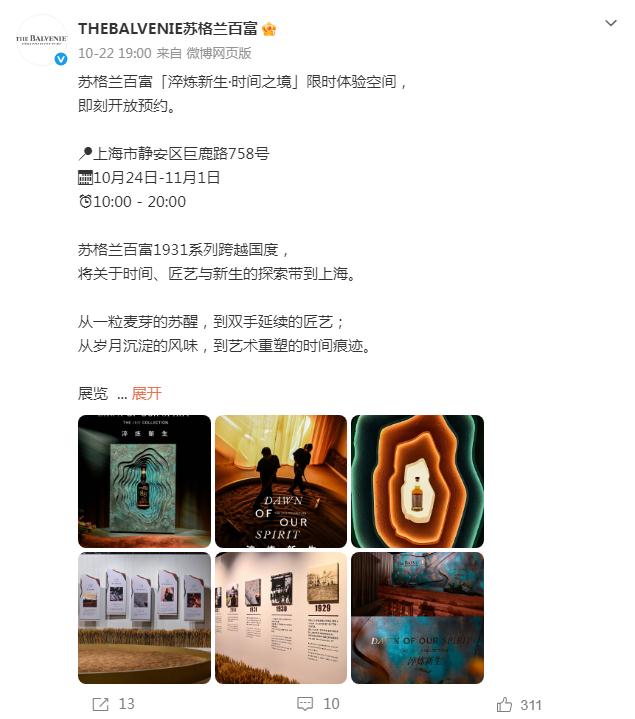
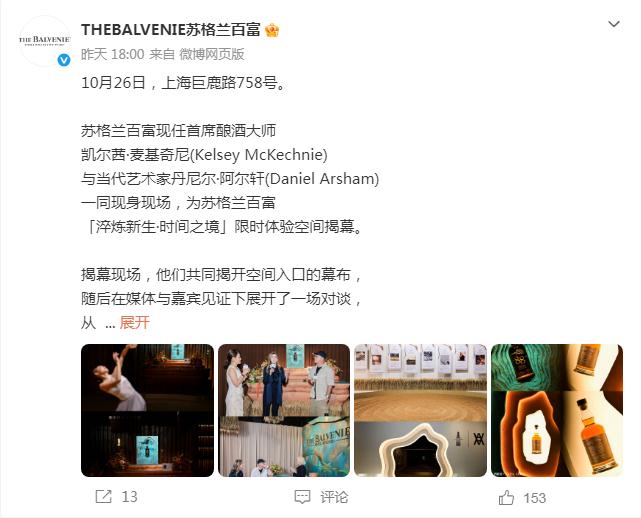
项目现场
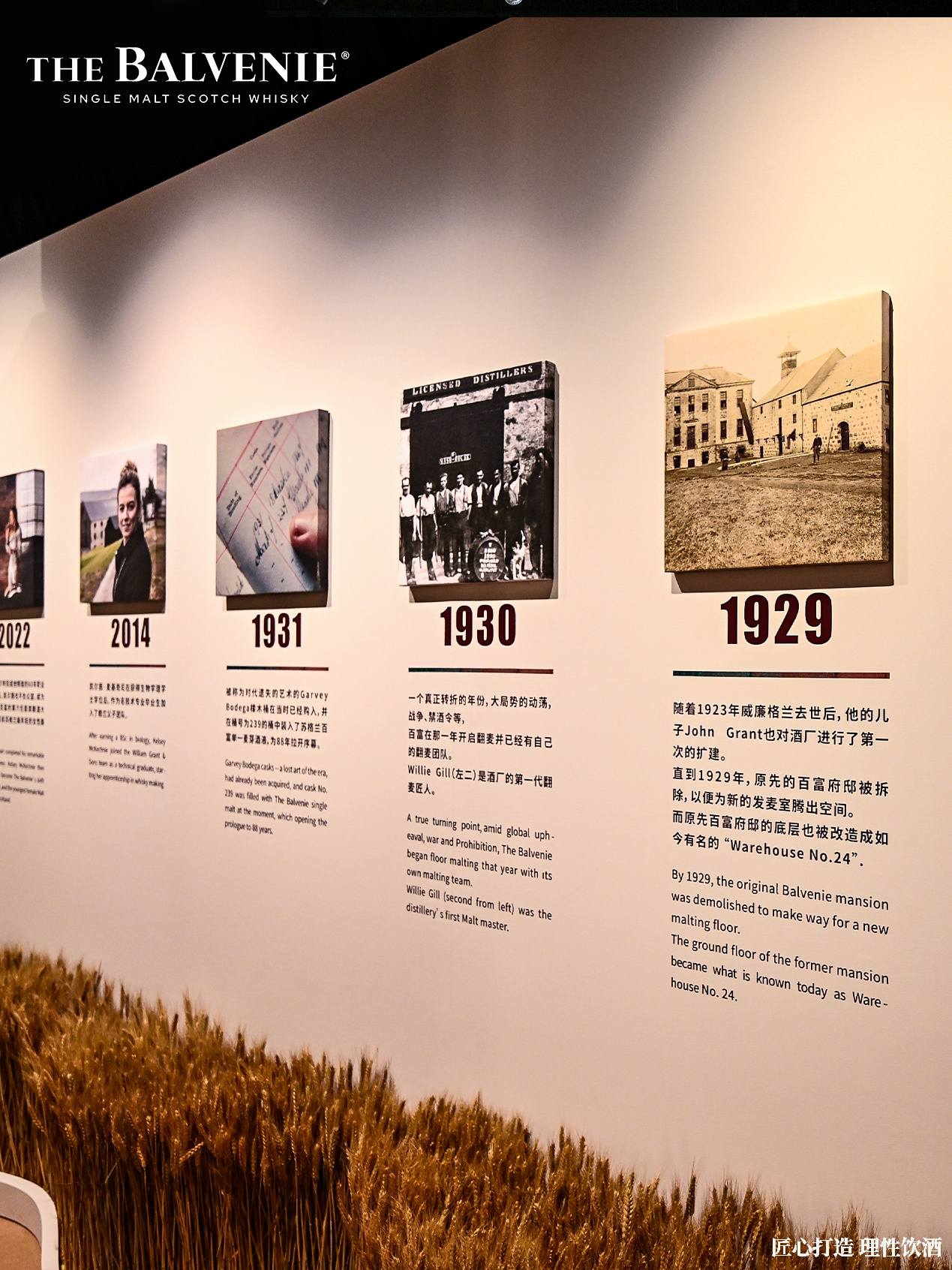
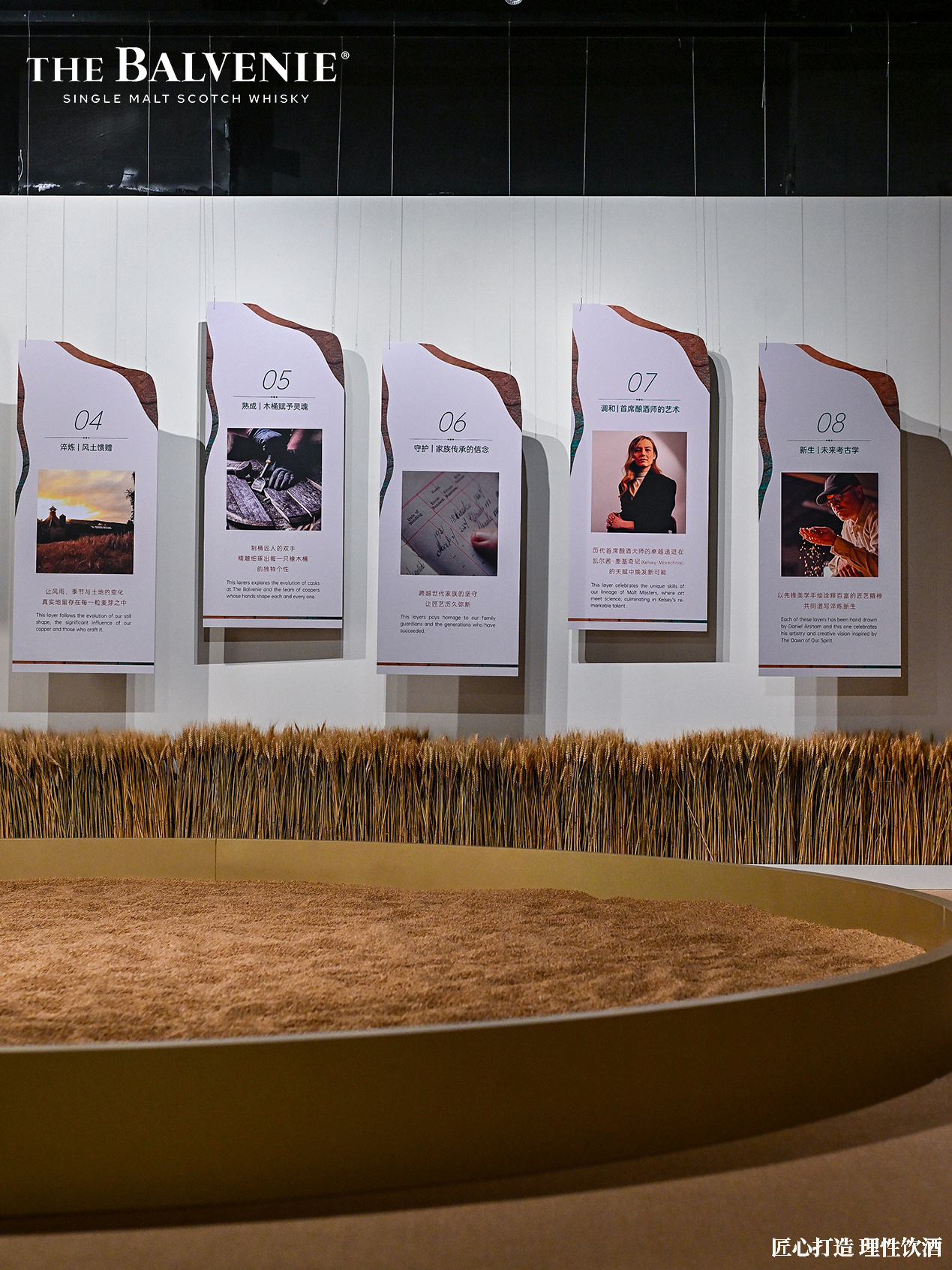
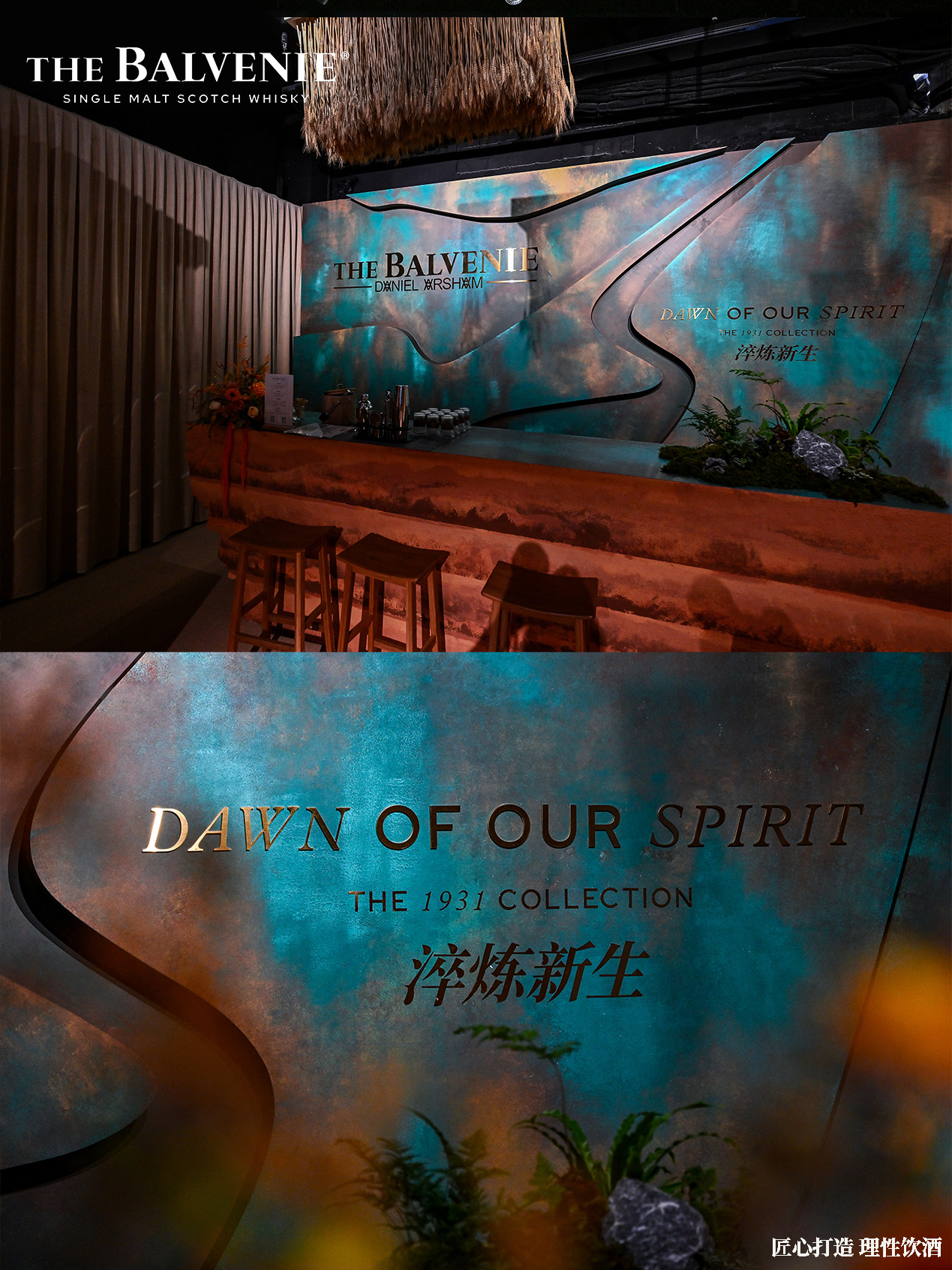
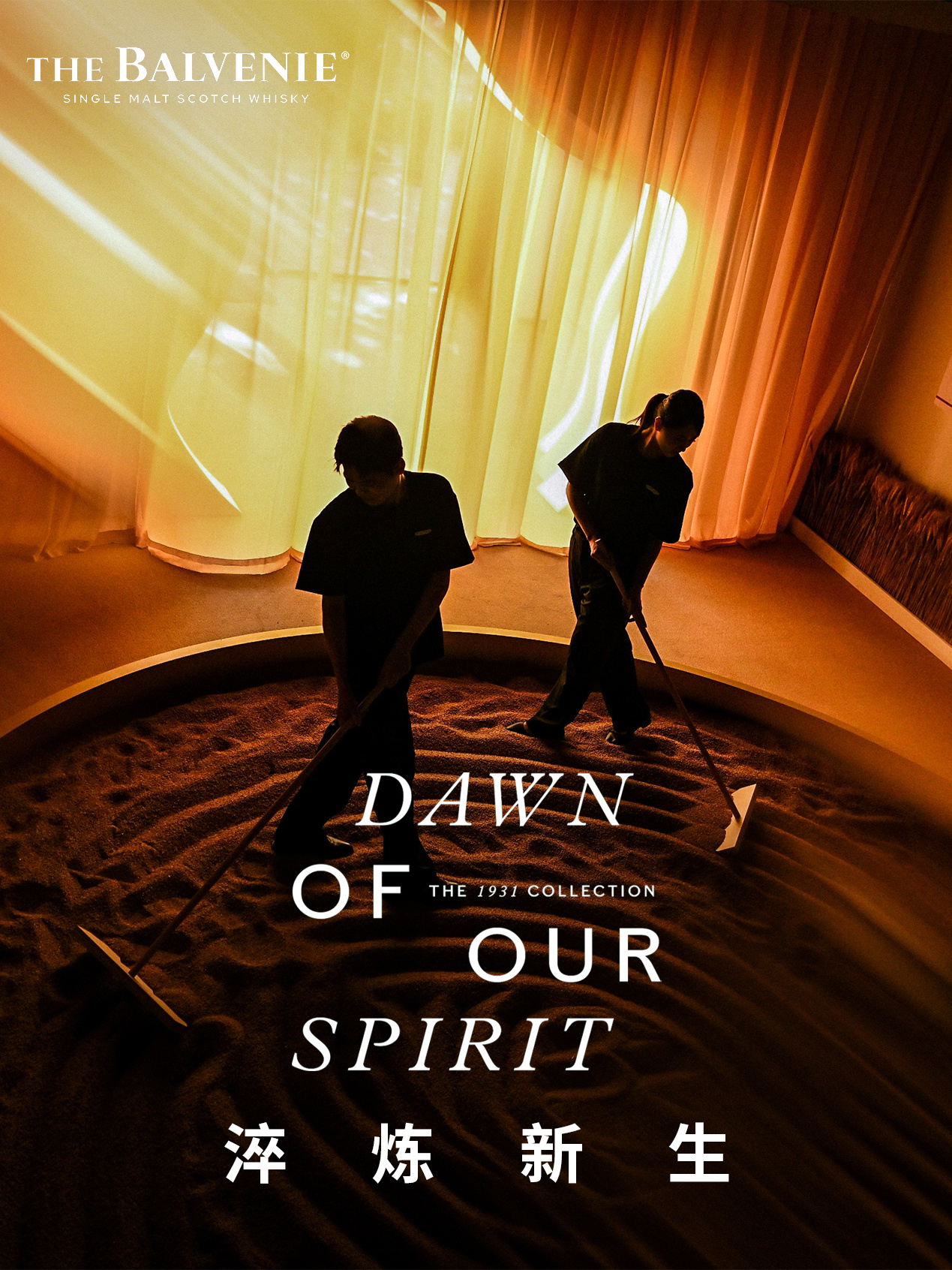
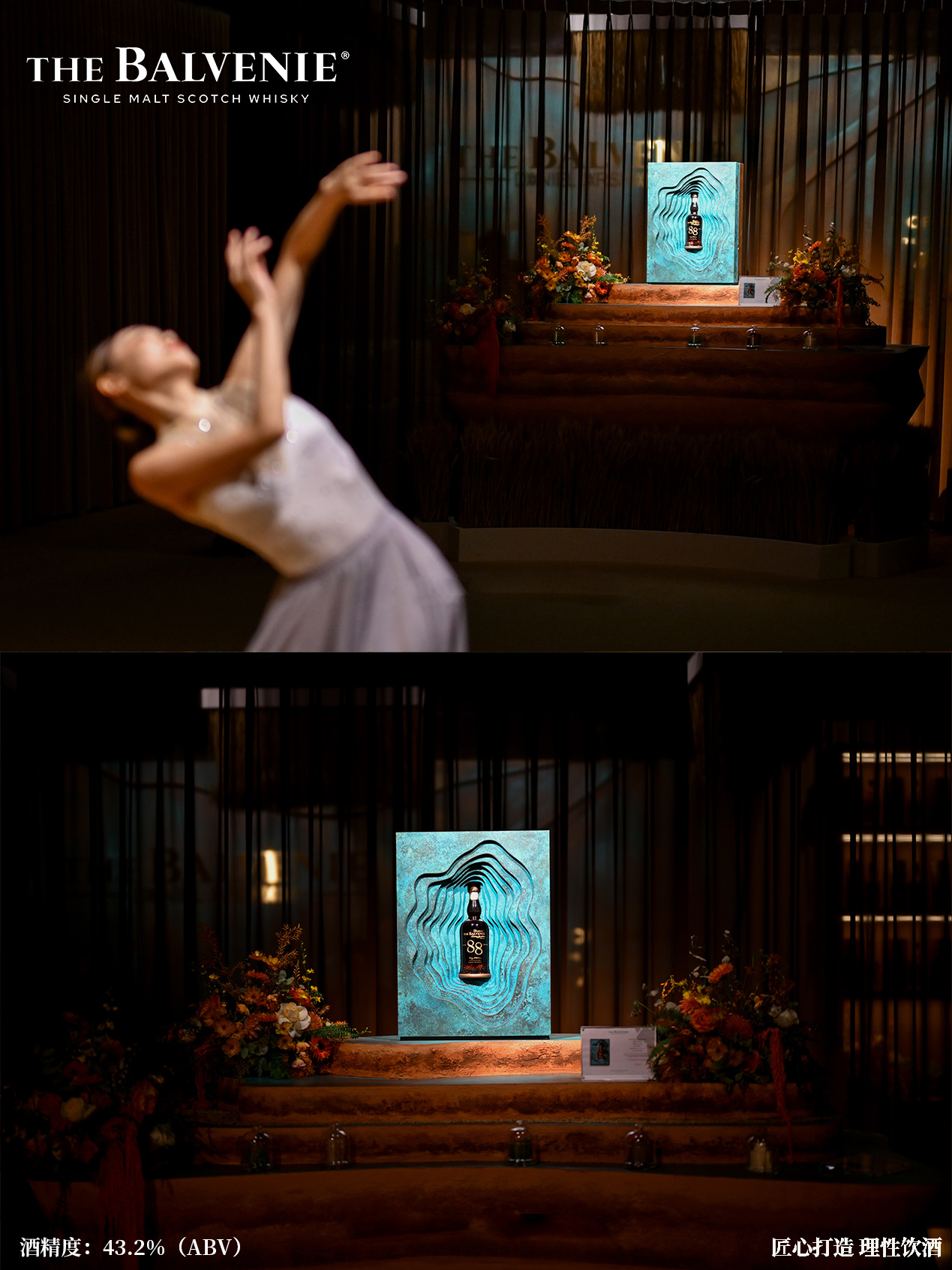
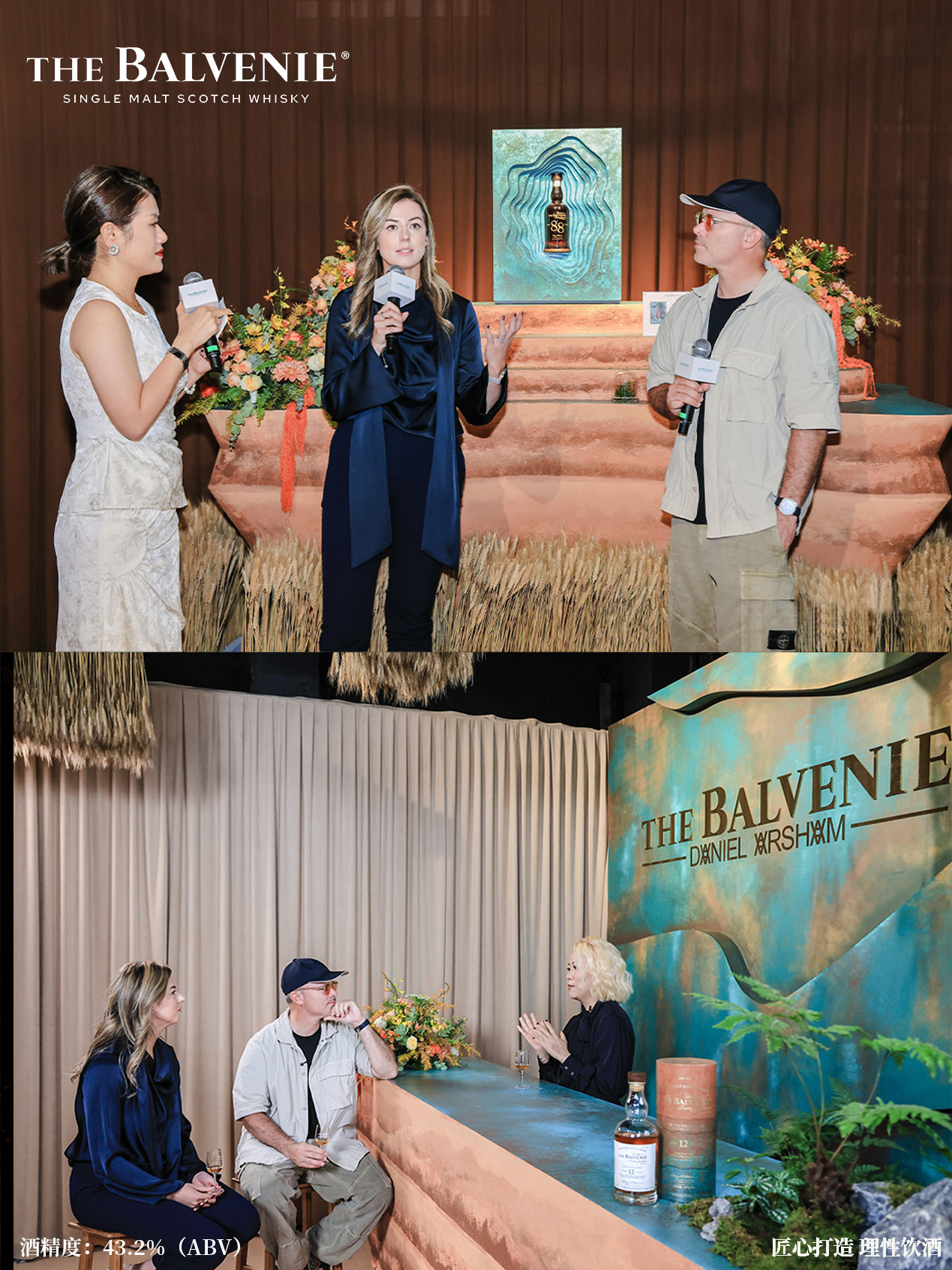
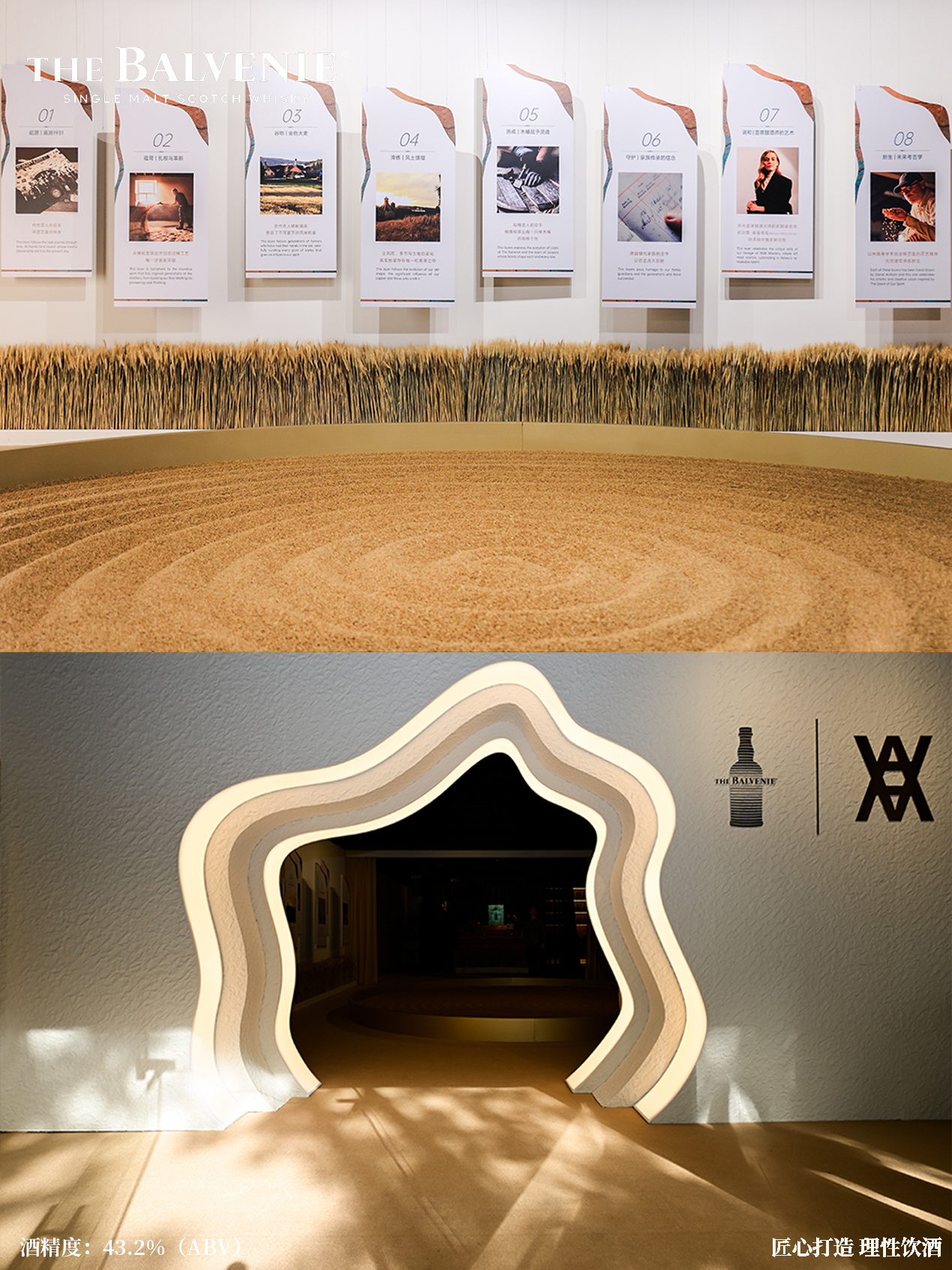
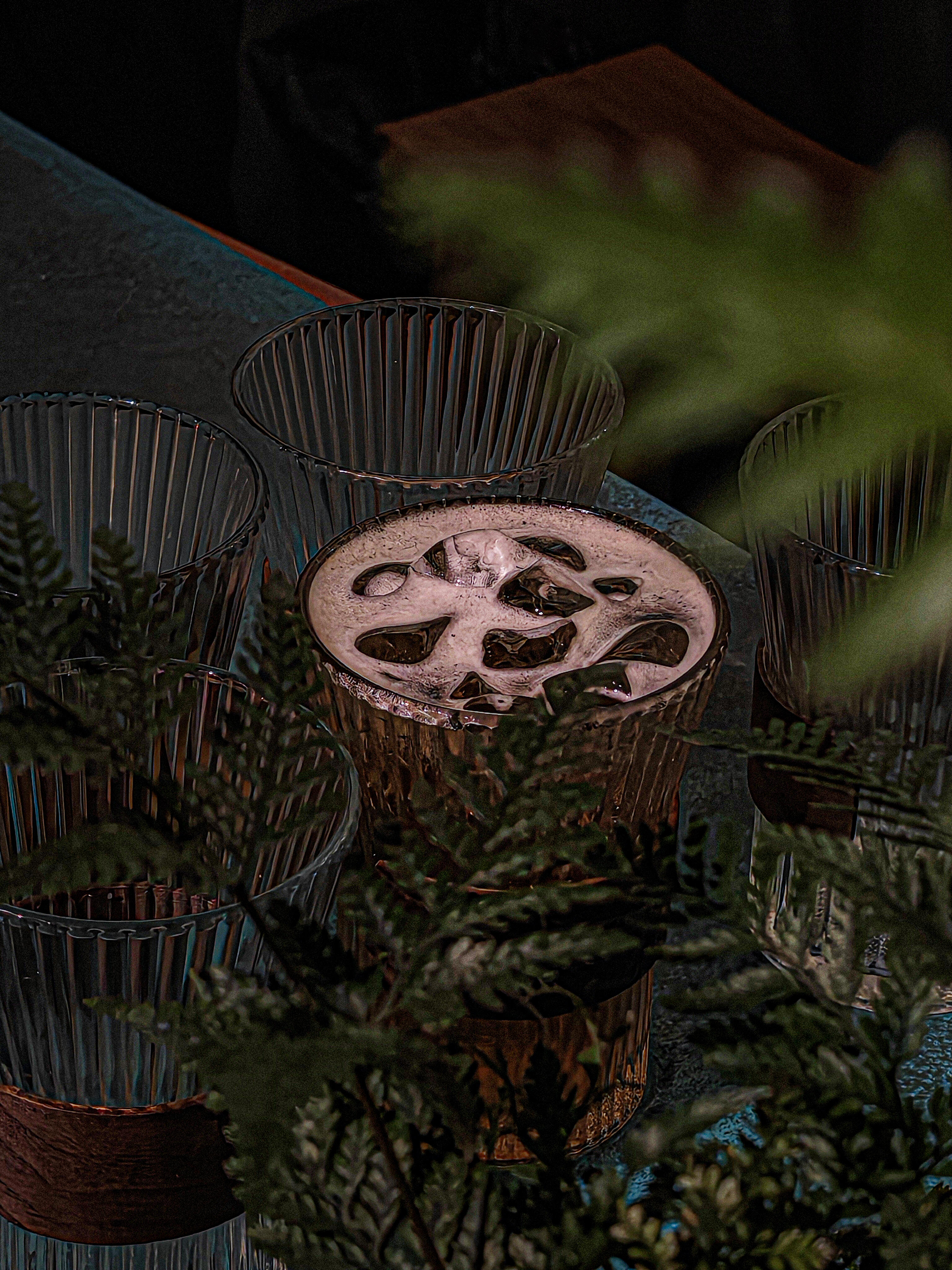
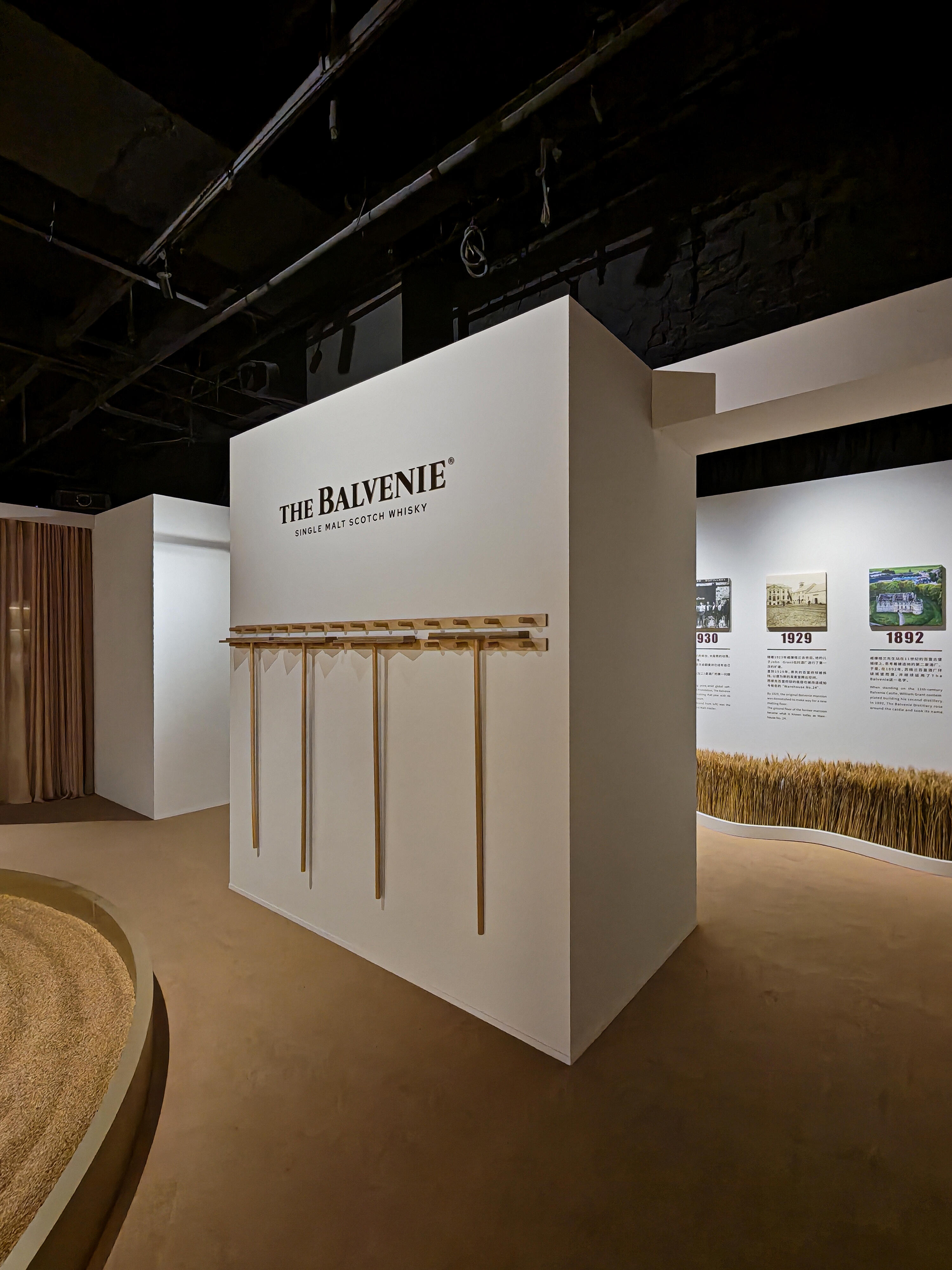
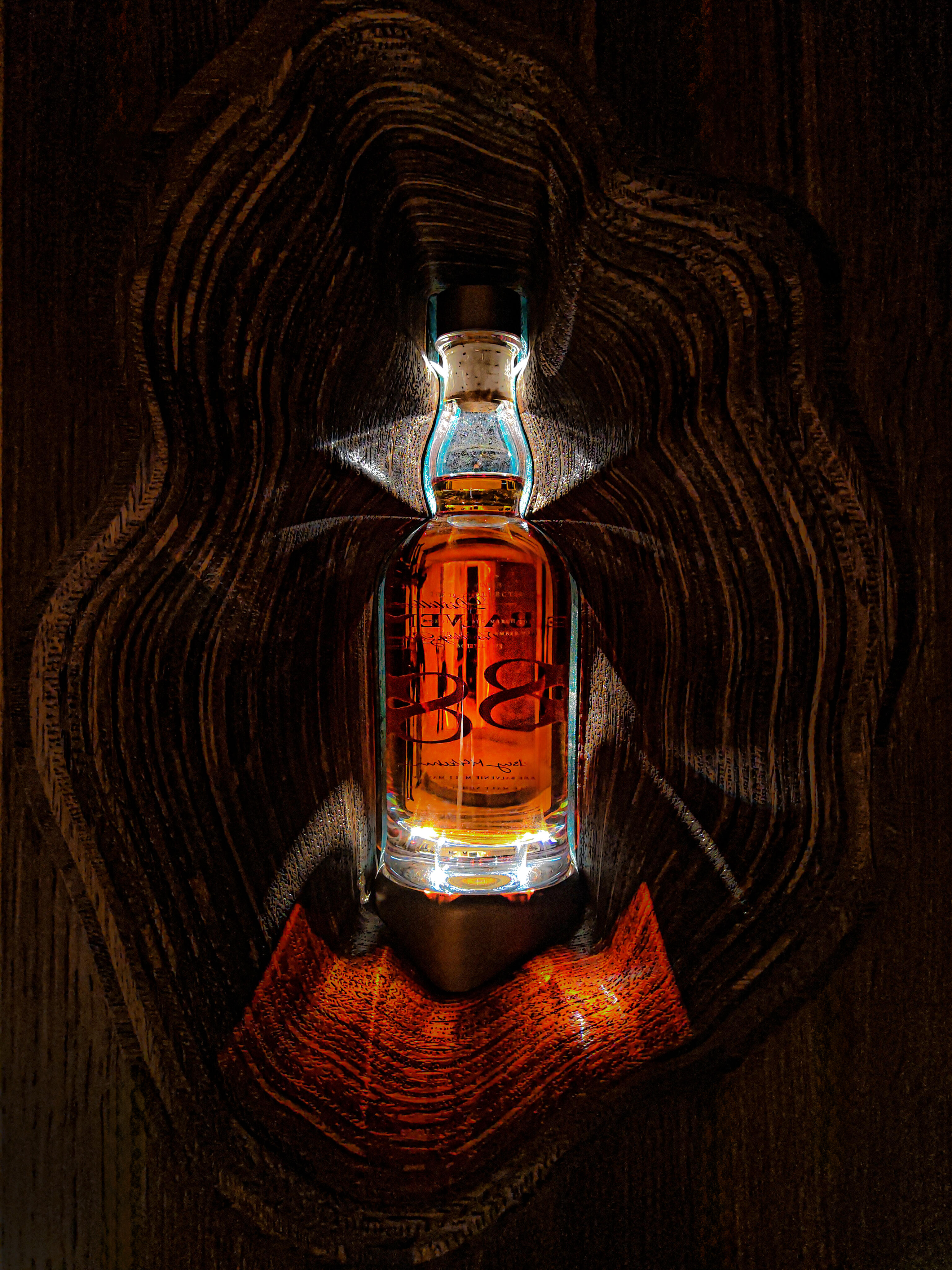
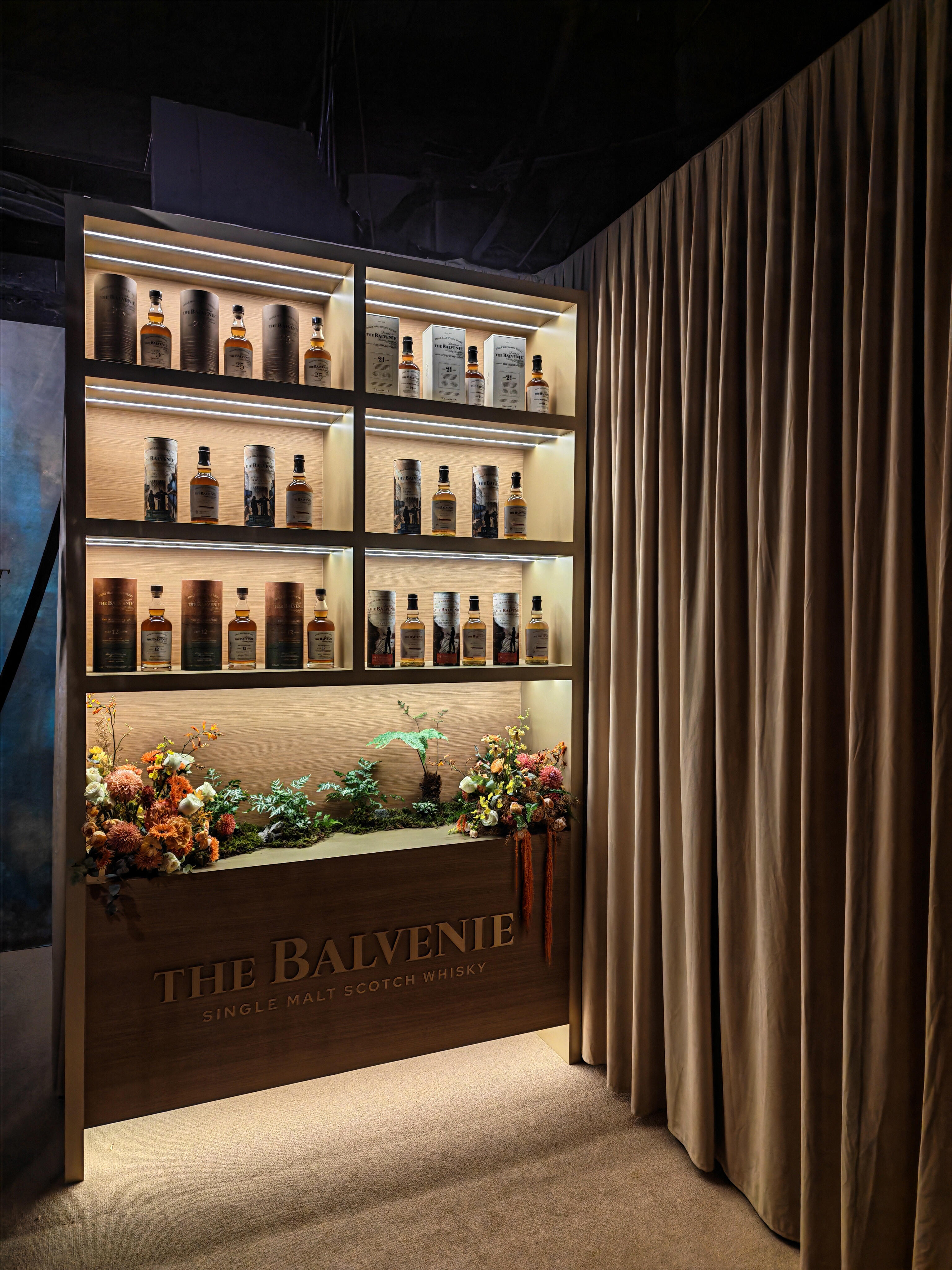
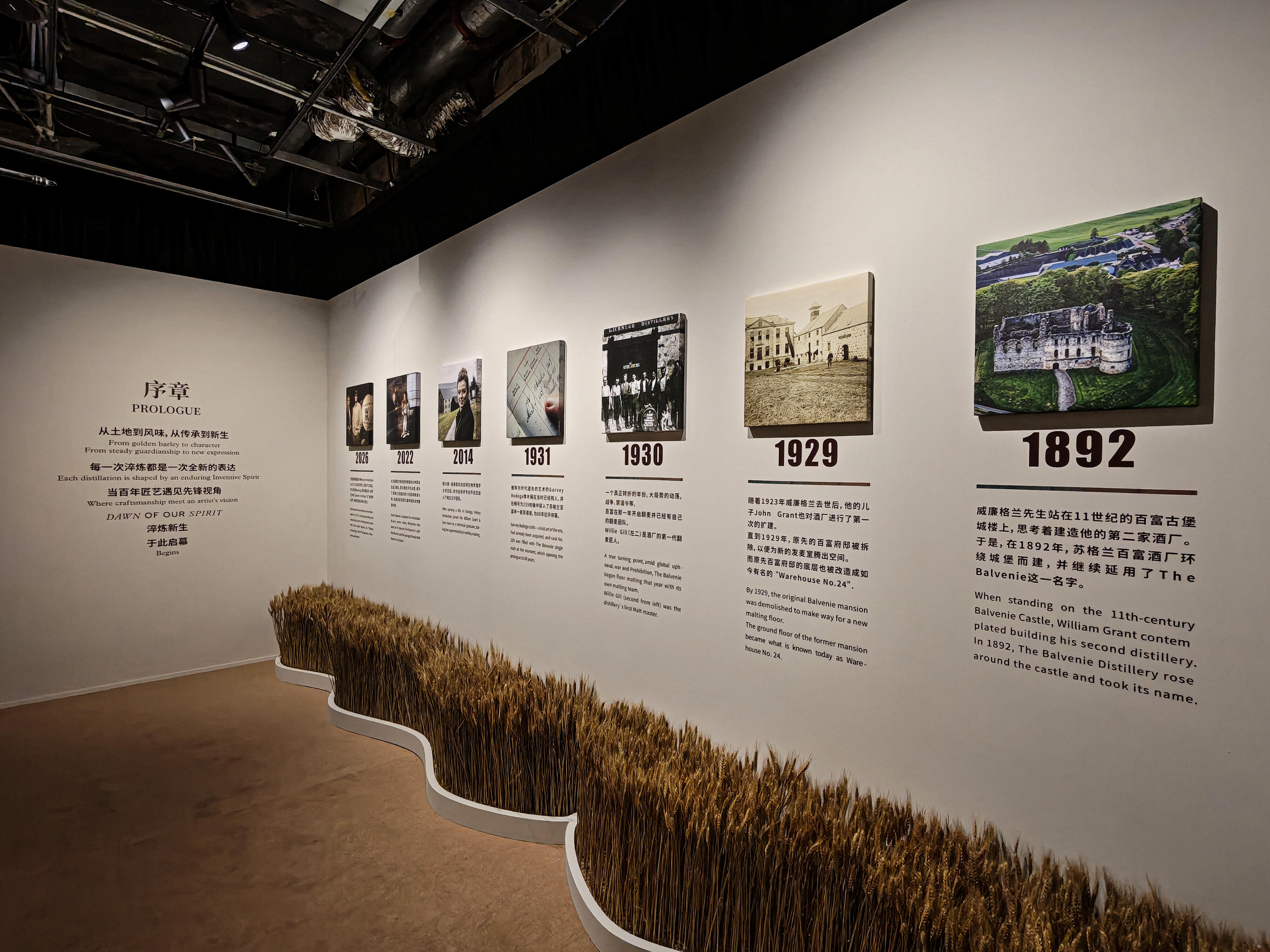
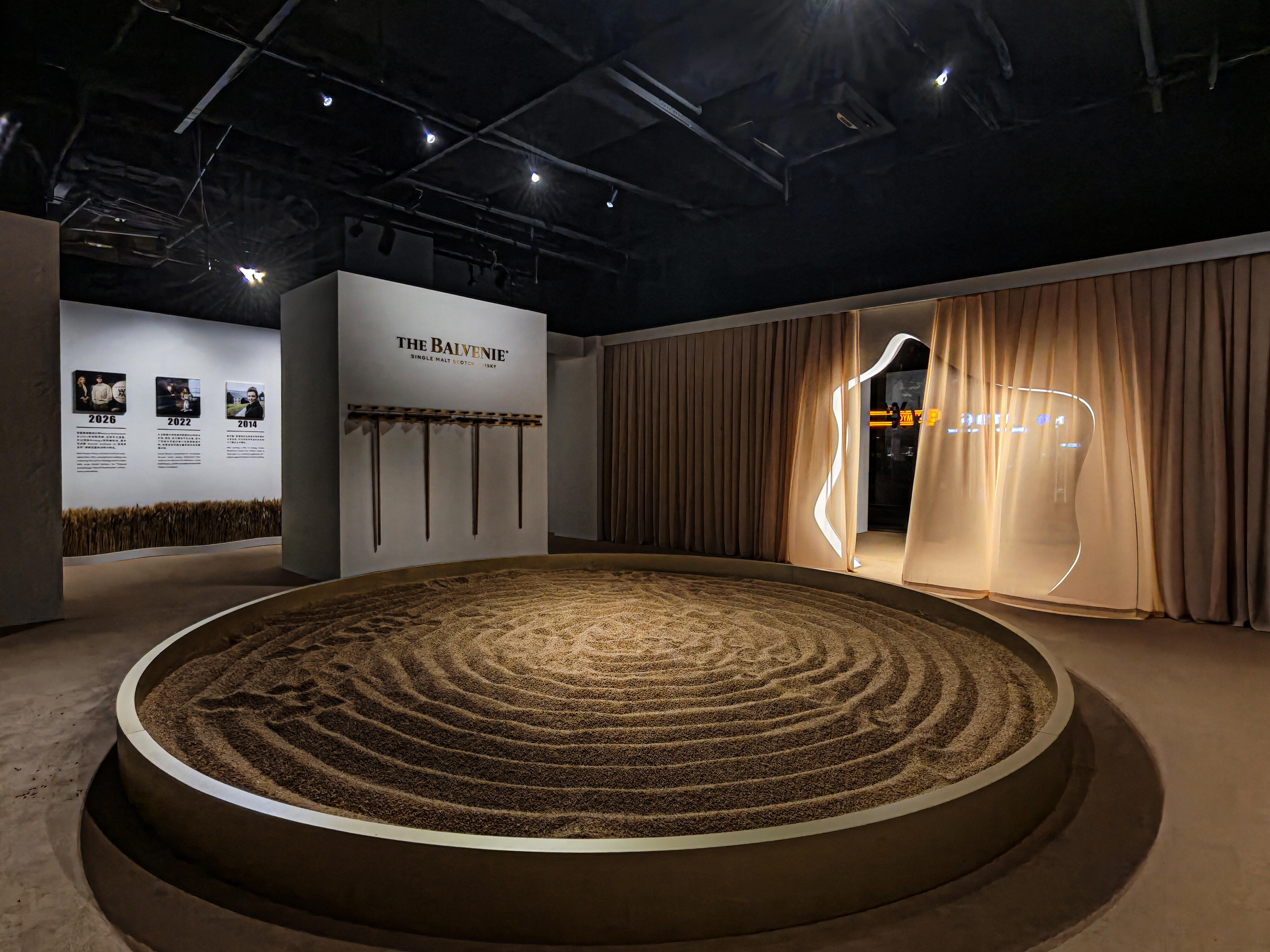
百富这个项目值得解读的地方,不在于它又做了一场快闪,而在于它把品牌最核心的资产——“笨拙的手工”——放进了一个可以被观看、被触摸、被喝掉的空间里。背景是双重的:百富至今仍坚持自种大麦、铺地发芽、专属桶匠与铜匠,是苏格兰极少数没有把“手工”外包给效率的酒厂;与此同时,奢侈品行业正在经历一场“工艺的文化化”,酿造背后的劳动不再只是生产环节,而成为需要被展出、被诠释的文化遗产。百富与丹尼尔·阿尔轩的联名,正是在这两条线的交叉处发生的。
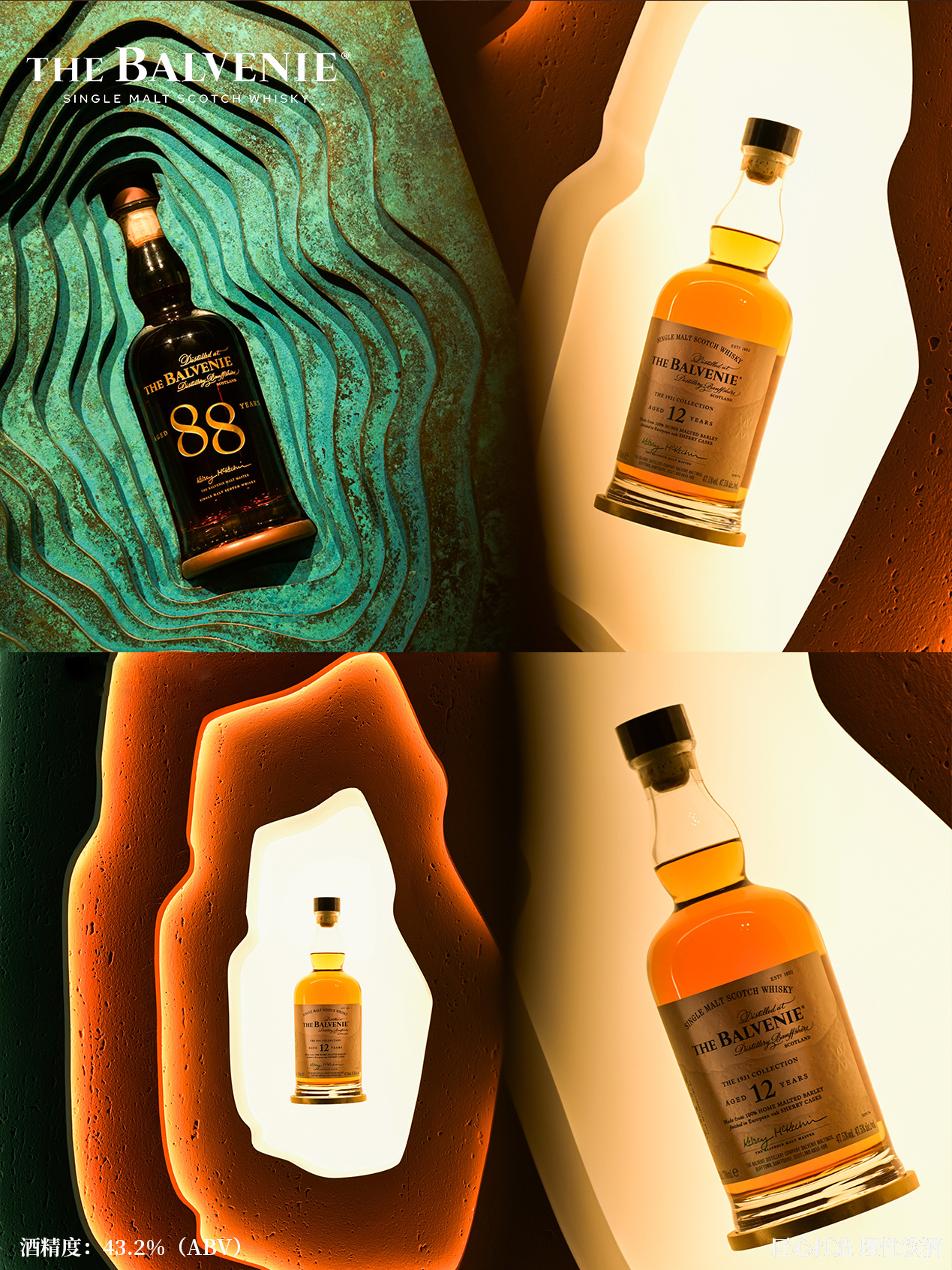
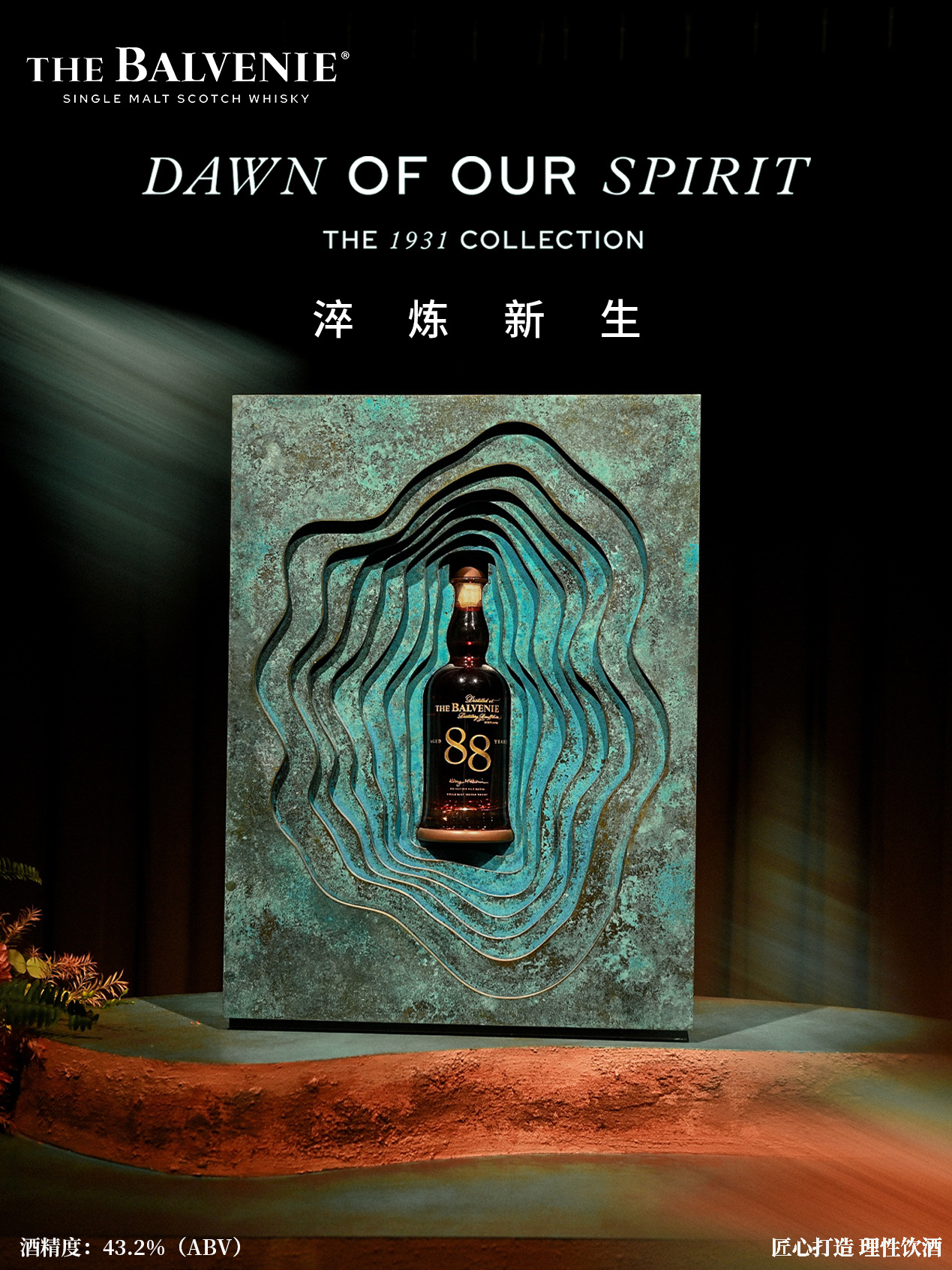
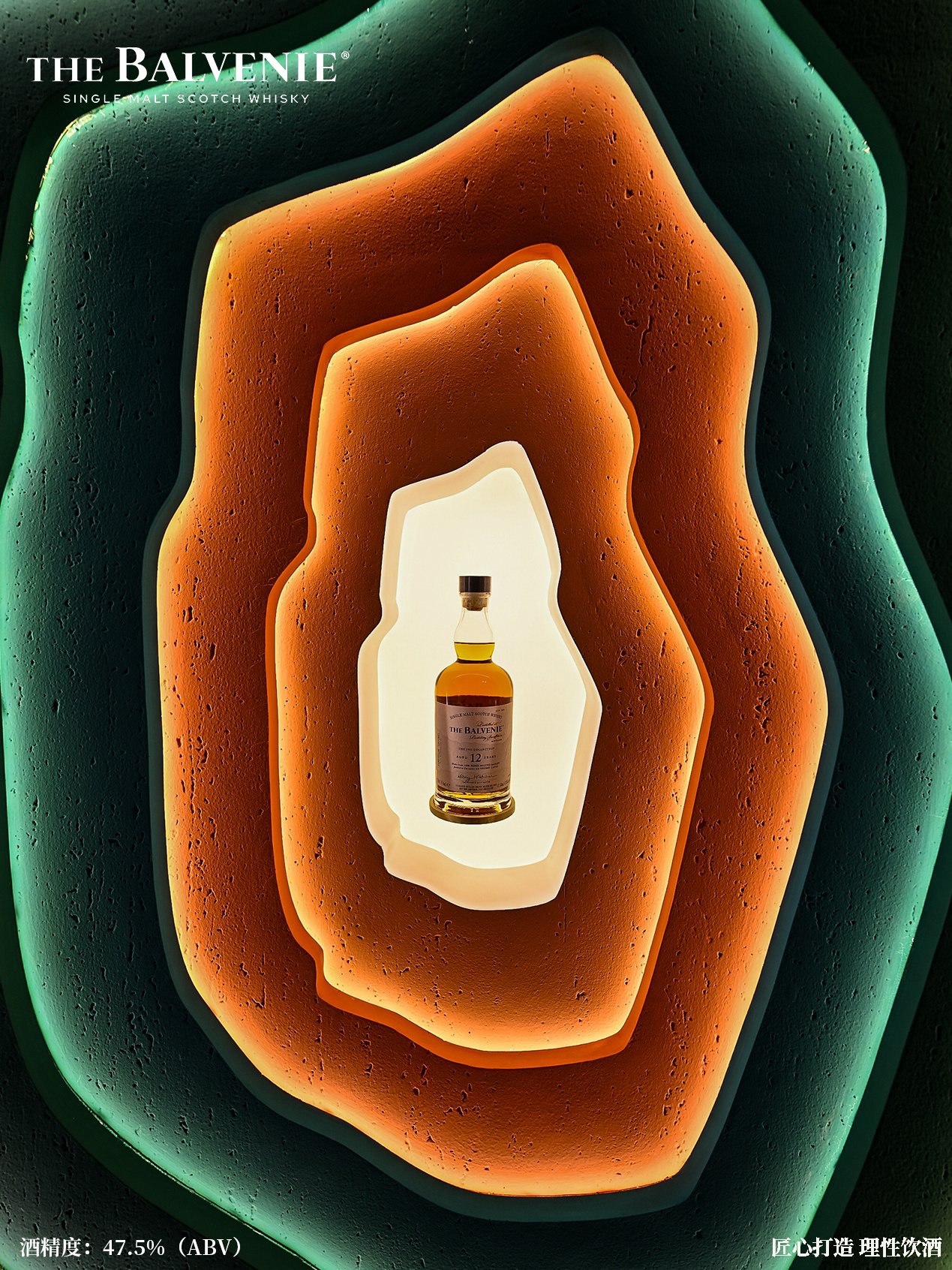
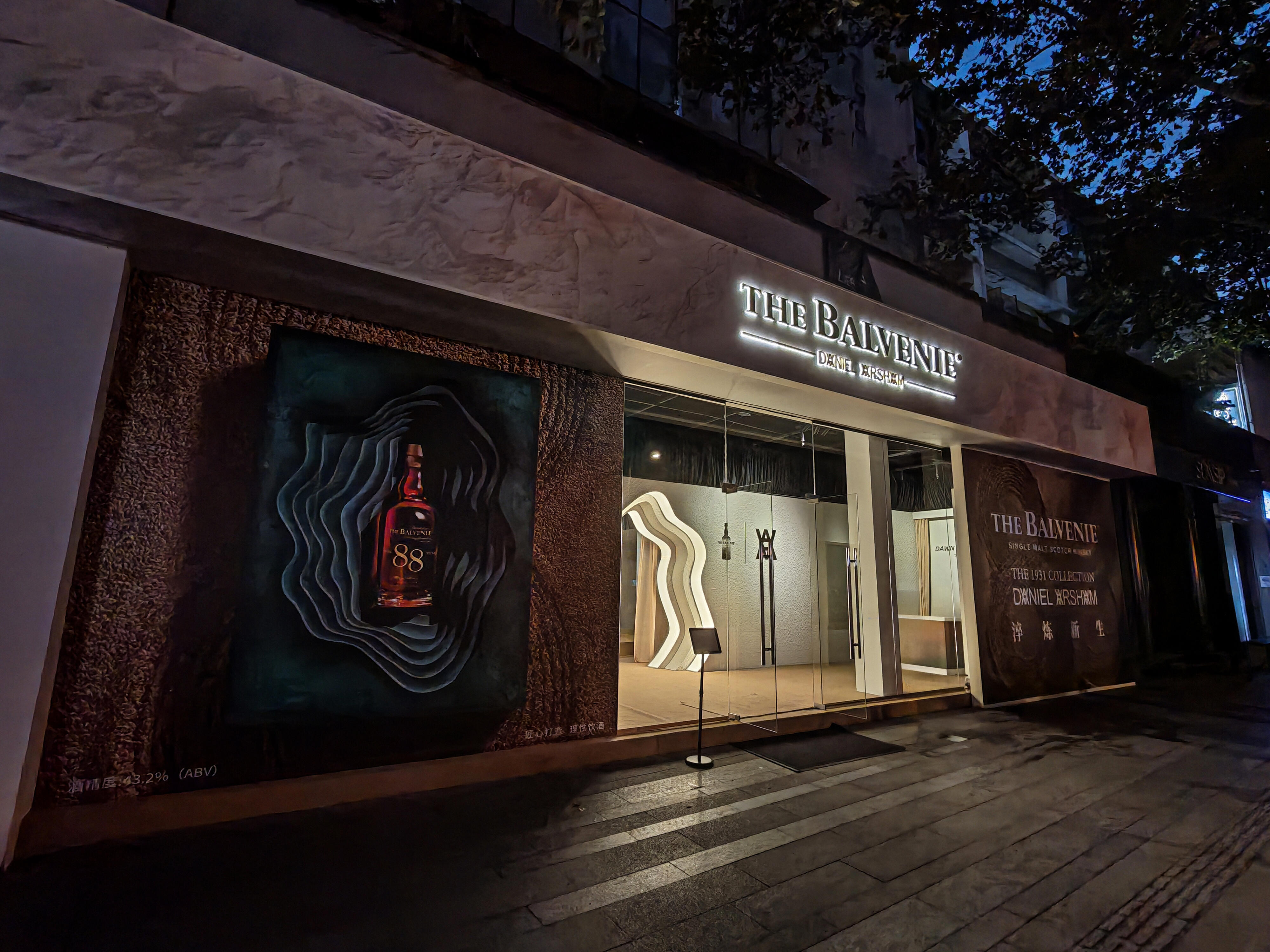
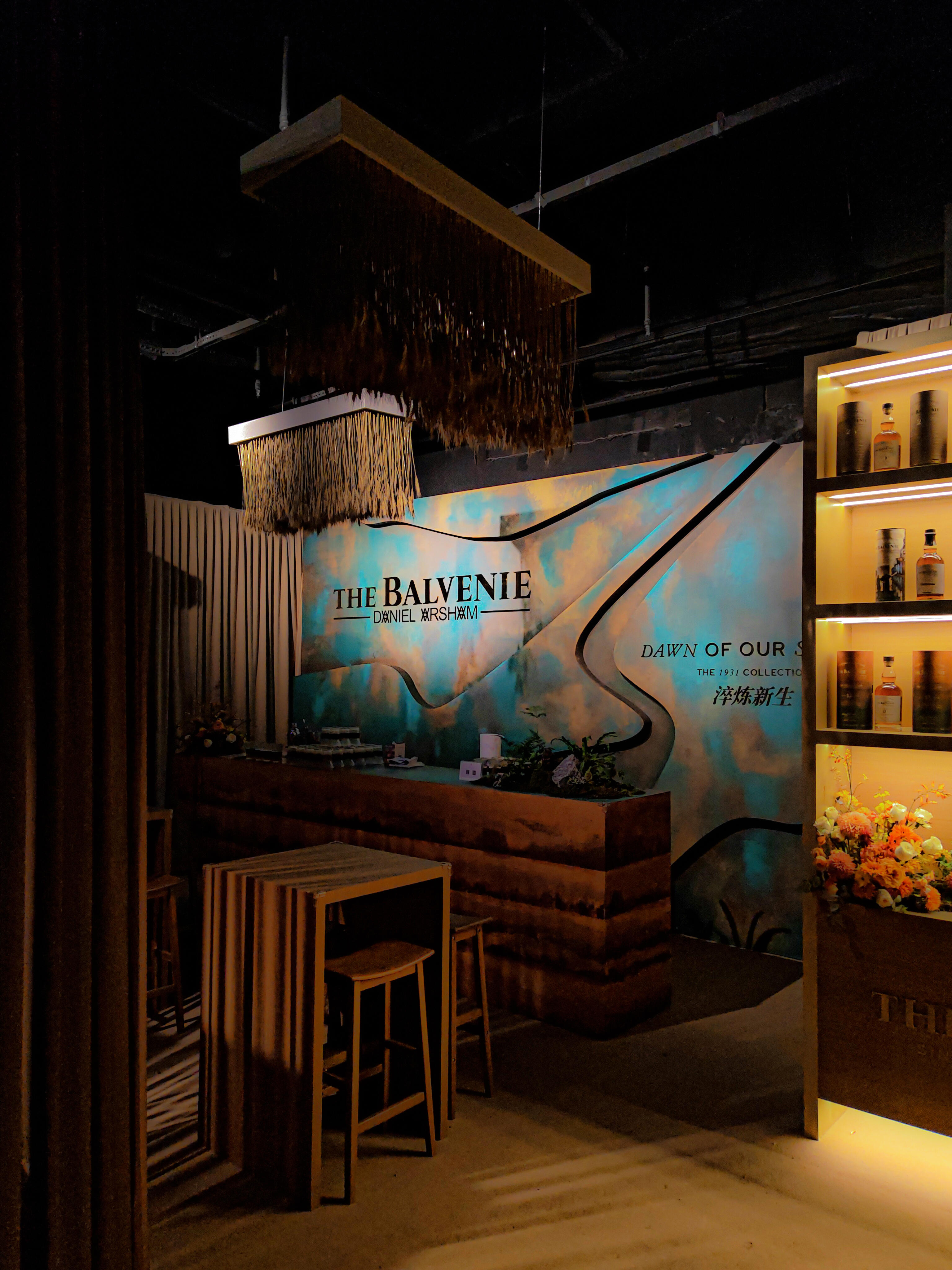
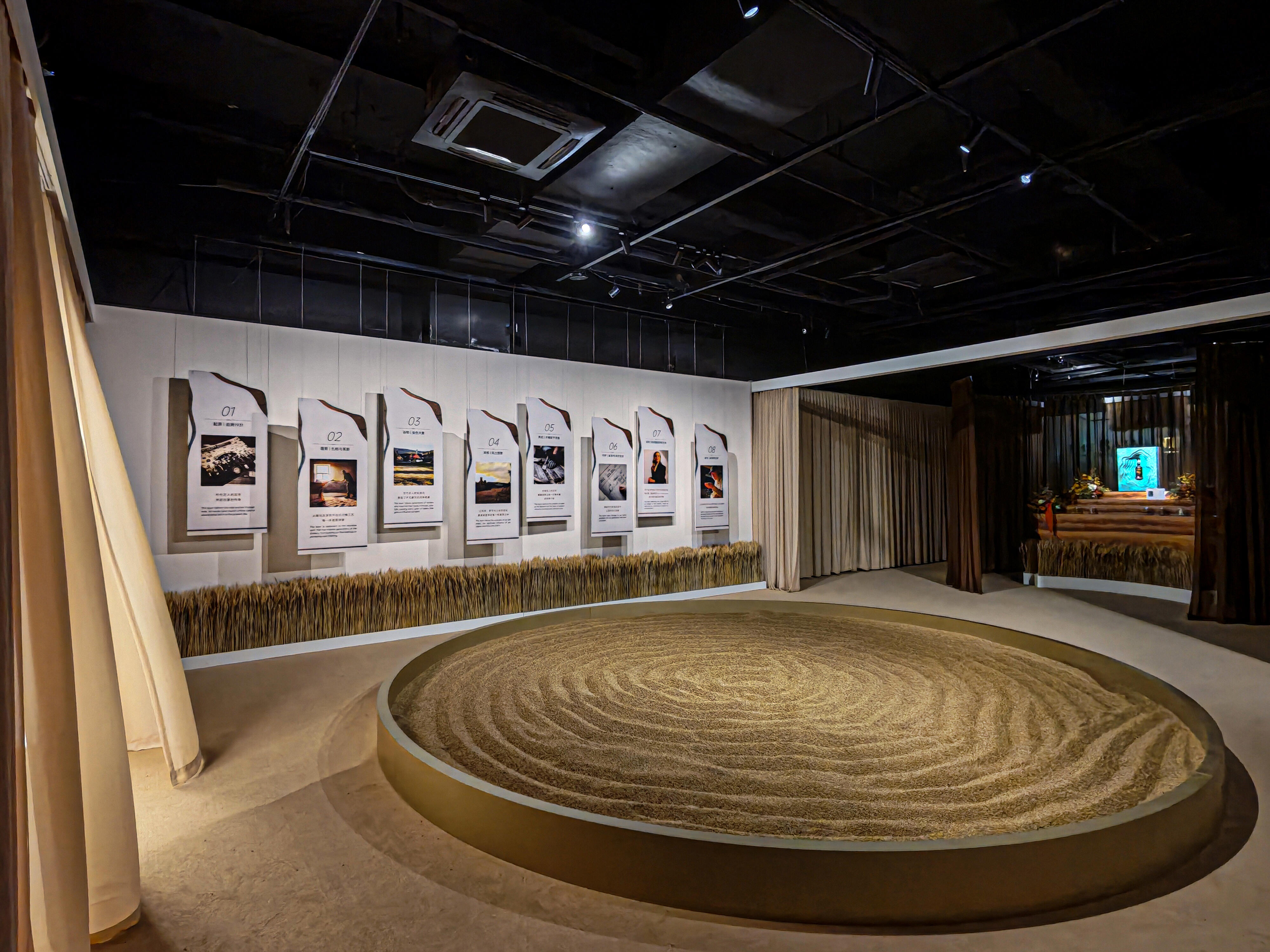
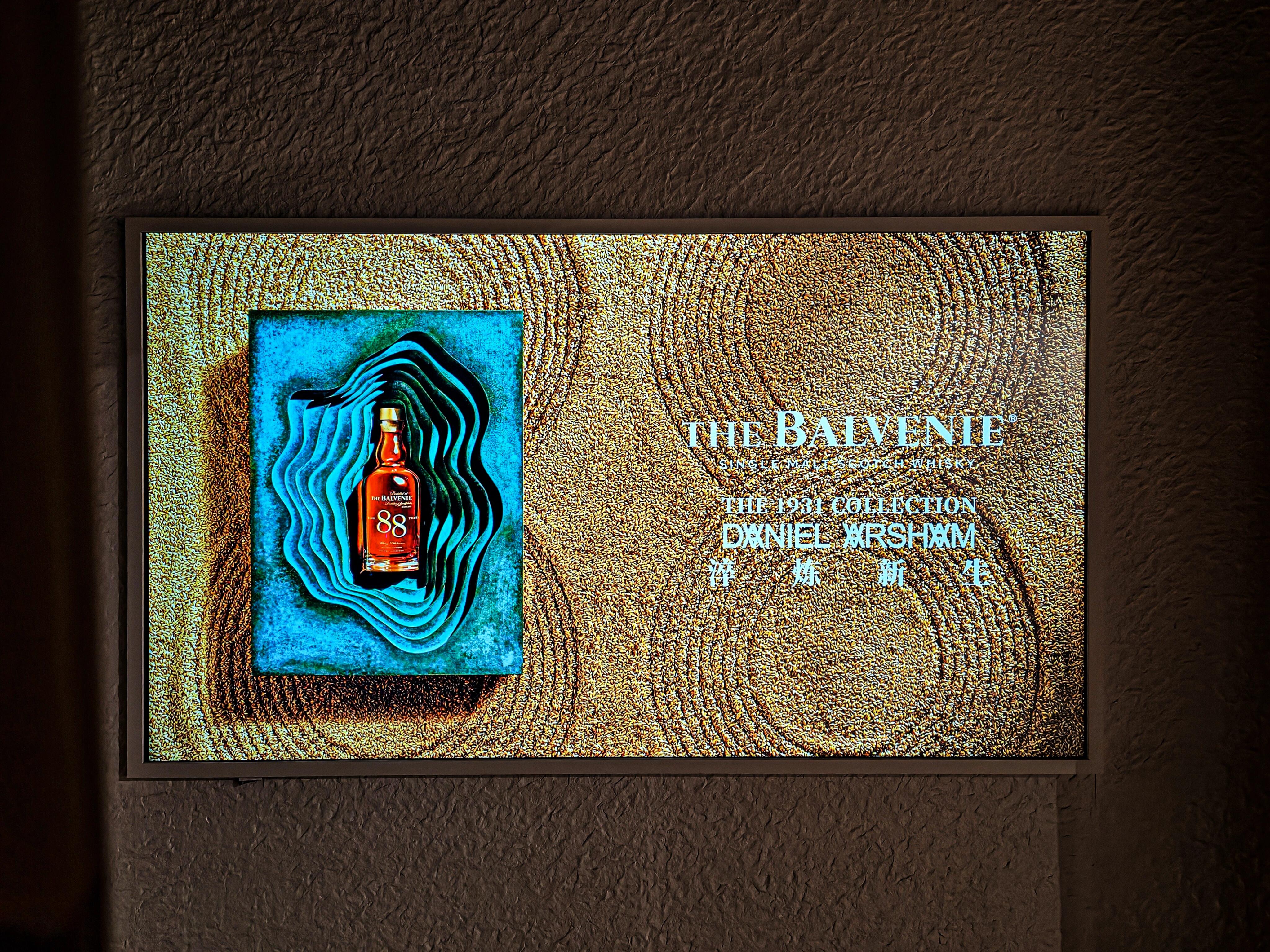
空间与造型的叙事线索极其明确:铺地发芽。巨鹿路758号的展厅被还原为“八重淬炼”的递进结构,麦田装置与翻麦农具将酒厂车间移入市区,而88年展区则被处理成一场视觉上的“时间沉积”——阿尔轩的「时间遗珍」青铜雕塑以侵蚀与风化的语言让时间可见,88年酒樽隐现于八重层叠景观之中,斑驳铜绿环绕四周。这不是在“展示一瓶老酒”,而是在把时间本身制造成一件可观看的雕塑。
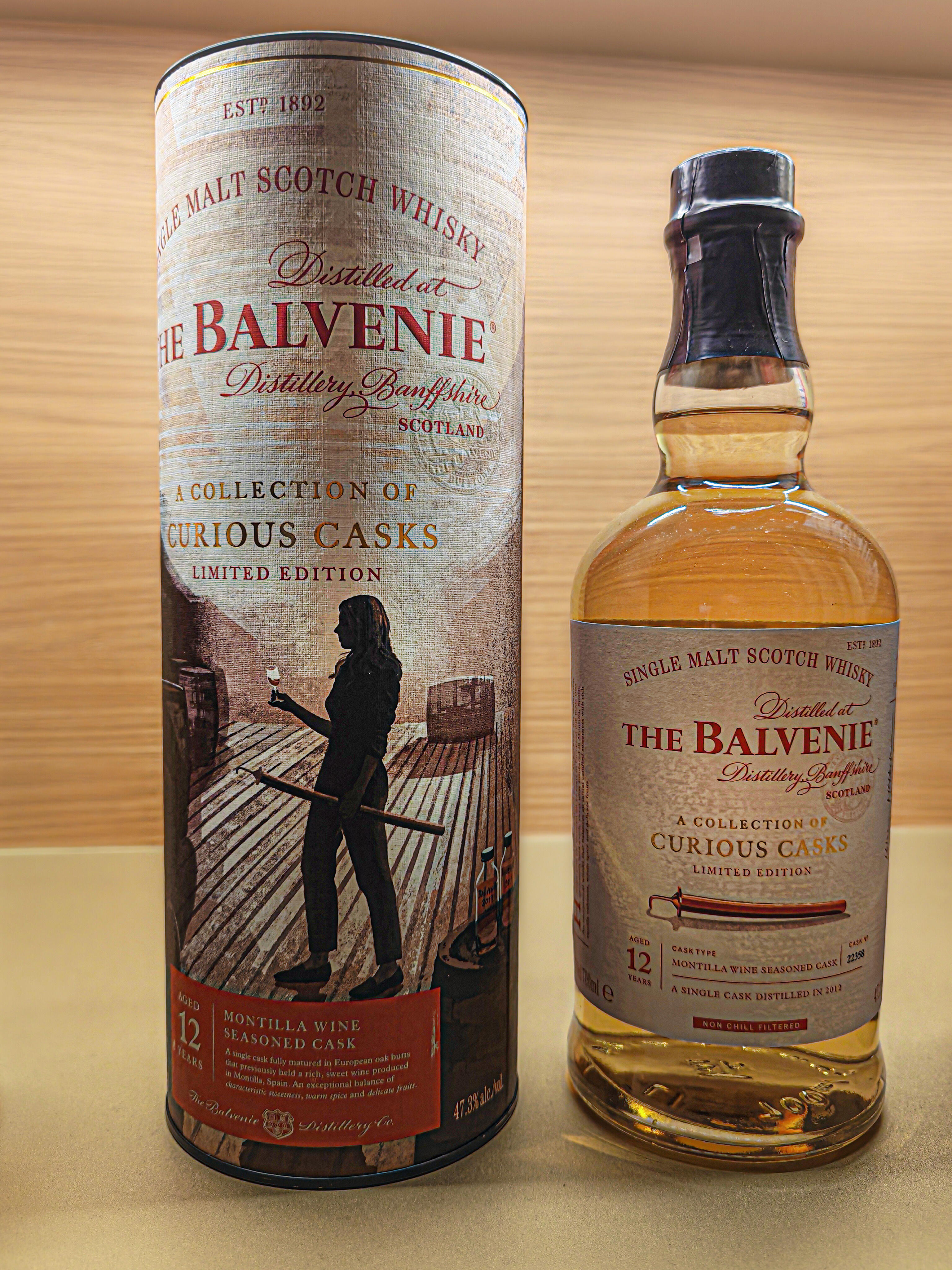
制作角度揭示了这个项目最诚实的部分:百富没有试图让手工“看起来很美”,而是让它“摸起来很具体”。现场的手工翻麦体验,让参与者亲手触碰一粒麦芽在时间中的转化;1931系列12年以100%自家铺地发芽大麦酿造,波本桶打底、赫雷斯雪莉桶收尾,蜂蜜甜润与麦芽糖的温润饼干感,恰恰是那套费时费力的翻麦工艺在风味上的回声。手工在这里不是修辞,而是一套可以被舌头检验的因果链。
传播营销的层面呈现出一种值得注意的错位。官方叙事以“五大手工技艺—88年珍藏—艺术联名”为闭环,但真正驱动人群到场和扩散的,是三条更“轻”的动线:免费特调让新手用自己的舌头完成第一次品牌投票,打卡礼遇与麦田装置制造了出片率极高的社交素材,而“全球仅17瓶”的88年则充当了稀缺性的视觉锚点。到场者的反馈也诚实:展览不大,把它当成一间带试饮的品牌限时店,预期就顺了;期待博物馆级大展的,会失望。这种“预期管理”本身,恰恰说明百富清楚这场空间的首要功能不是教育,而是转化。
项目意义或许正在于此:百富用阿尔轩的“未来考古”去对冲威士忌的“过去考古”,让手工的缓慢不再被感知为效率的缺陷,而被重新编码为一种可收藏的时间厚度。当88年酒液隔着玻璃被观看、当12年的甜润被一杯特调翻译给从未喝过单一麦芽的人,这个只活八天的空间真正完成的事情,是把“时间”从威士忌的年份数字里抽出来,变成一种可以被体验、被拍照、被带走的品牌资产。
The Balvenie’s “Dawn of Our Spirit”: Putting Slowness Inside a Room That Lives for Eight Days What deserves reading in this project is not another pop-up, but the way The Balvenie placed its least efficient asset—manual craft—into a space that can be seen, touched, and tasted. The background is double-layered.
The Balvenie still grows its own barley, malts on its own floor, and keeps its own coopers and coppersmiths, one of the last Scottish distilleries that has not outsourced craft to speed. At the same time, luxury is undergoing a “culturalization of craft”: the labour behind a bottle is no longer merely a production step but a heritage to be exhibited and interpreted. The Arsham collaboration sits precisely at that intersection.
The spatial narrative is unambiguous: floor malting as the organizing. The Julu Road space reconstructs an “eightfold” sequence, bringing a malt-field installation and turning tools from the distillery into the city. The 88-year-old zone becomes a visual sedimentation of time: Arsham’s Time Relic bronze sculpture makes time visible through erosion and patina, while the 88-year bottle appears half-buried within an eight-layered landscape of oxidised copper. This is not displaying an old whisky; it is manufacturing time itself into an object to be looked at. The craft dimension reveals the project’s most honest move: The Balvenie does not try to make handwork look pretty; it makes it feel specific.
Visitors physically turn malt on the floor, touching the transformation of a grain in time. The 1931 12-Year-Old is made from 100% home floor-malted barley, matured in bourbon casks and finished in Jerez sherry butts, its honeyed, biscuity sweetness an echo of that laborious process. Craft here is not rhetoric; it is a causal chain the tongue can verify. The communication layer reveals a productive misalignment. The official narrative closes the loop of five crafts, the 88-year-old, and art. What actually moved people, however, ran on lighter tracks: a free cocktail that let novices cast their first vote with their tongue, photo-ready installations that turned the malt field into social currency, and the “only 17 bottles” halo as a scarcity anchor. Attendees were candid: the show is small, and it works if you treat it as a brand store with a free dram; expect a museum blockbuster and you will be disappointed.
That expectation gap itself shows the space was designed less for education than for conversion. The project’s significance may lie here: Arsham’s “future archaeology” offsets whisky’s “past archaeology,” recoding slowness not as an efficiency deficit but as a collectible thickness of time. When the 88-year-old is viewed through glass and the 12-year-old is translated into a cocktail for someone who has never tasted single malt, the room’s real work is to pull “time” out of the age statement and turn it into a brand asset that can be experienced, photographed, and carried home.
-end-
图片及内容来自网络及品牌公开信息,出处见网络
文字来自 AI 编辑完成,AI信息自我辨识
 x

