


Coach×Spotify TABBY TOUR 巡演
 作者: editor01
 代理商:
不确定
项目信息
项目品牌: COACH 蔻驰
项目行业: 服装及鞋履
项目日期:
 2026-10-21 12:00
2026-10-23 21:00
项目地点: 日本 东京 六本木Hills Arena / 大阪 Creative Center Osaka
项目名称: Coach×Spotify TABBY TOUR 音乐巡演
COACH 蔻驰|TABBY TOUR 音乐巡展(东京站、大阪站)|2026年10月21日、10月23日|日本 东京 六本木Hills Arena、大阪 Creative Center Osaka
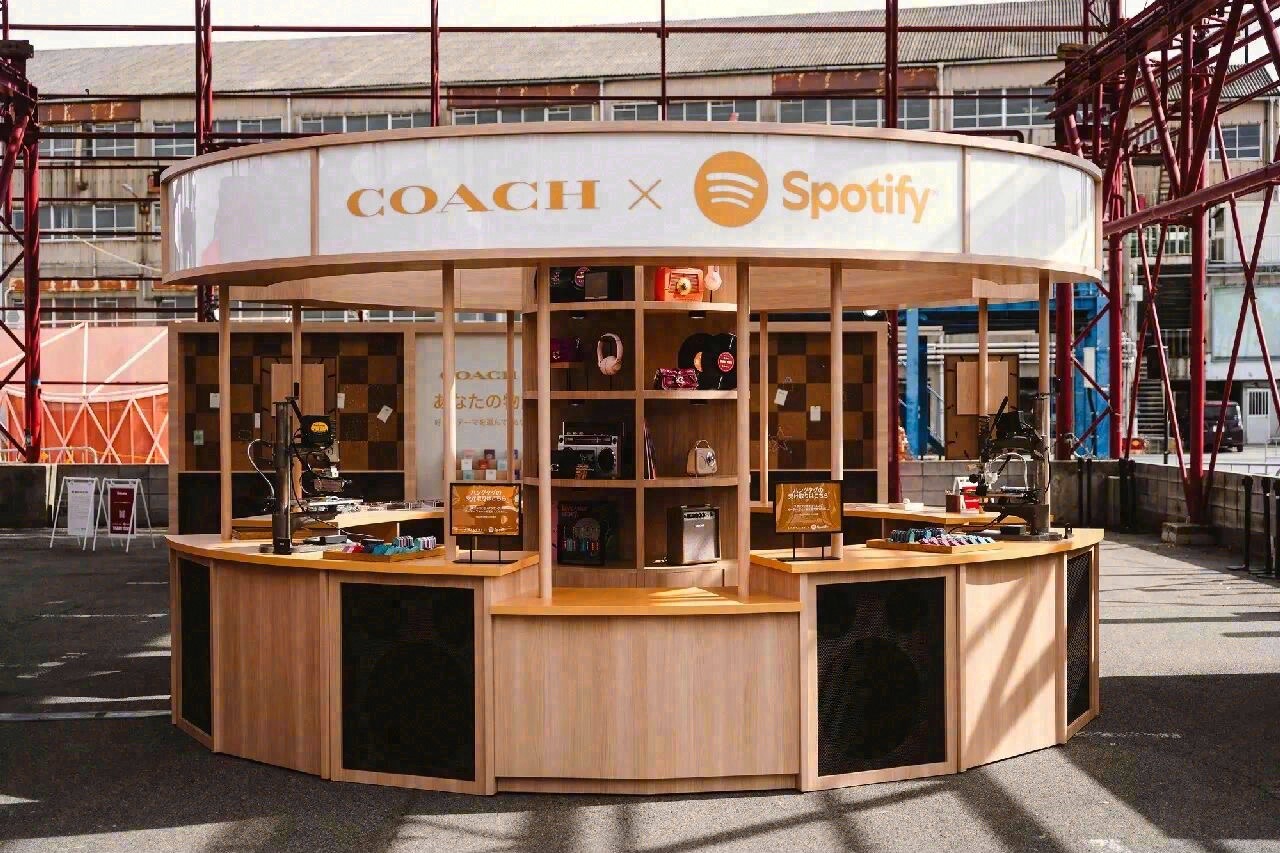
COACH 在 2026 秋冬推出全球主题企划「Live Your Story」,把音乐放在这一季叙事的入口位置。这场企划依托品牌与 Spotify 的全球文化合作,2026 年 9 月 16 日对外公布。它的重点不是把一份歌单搬进广告,而是把“你听什么,就是你是谁”这句话,做成一个可以走进去、可以参与的现场。品牌长期使用的表达「Courage to Be Real」在这里被翻译得更具体:衣服与包不只是装饰,而是讲述自己的工具。这一季的企划并不只发生在日本:Tabby Tour 是一条全球路线,东京与大阪是其中两站,前后承接同一套视觉与互动语法。
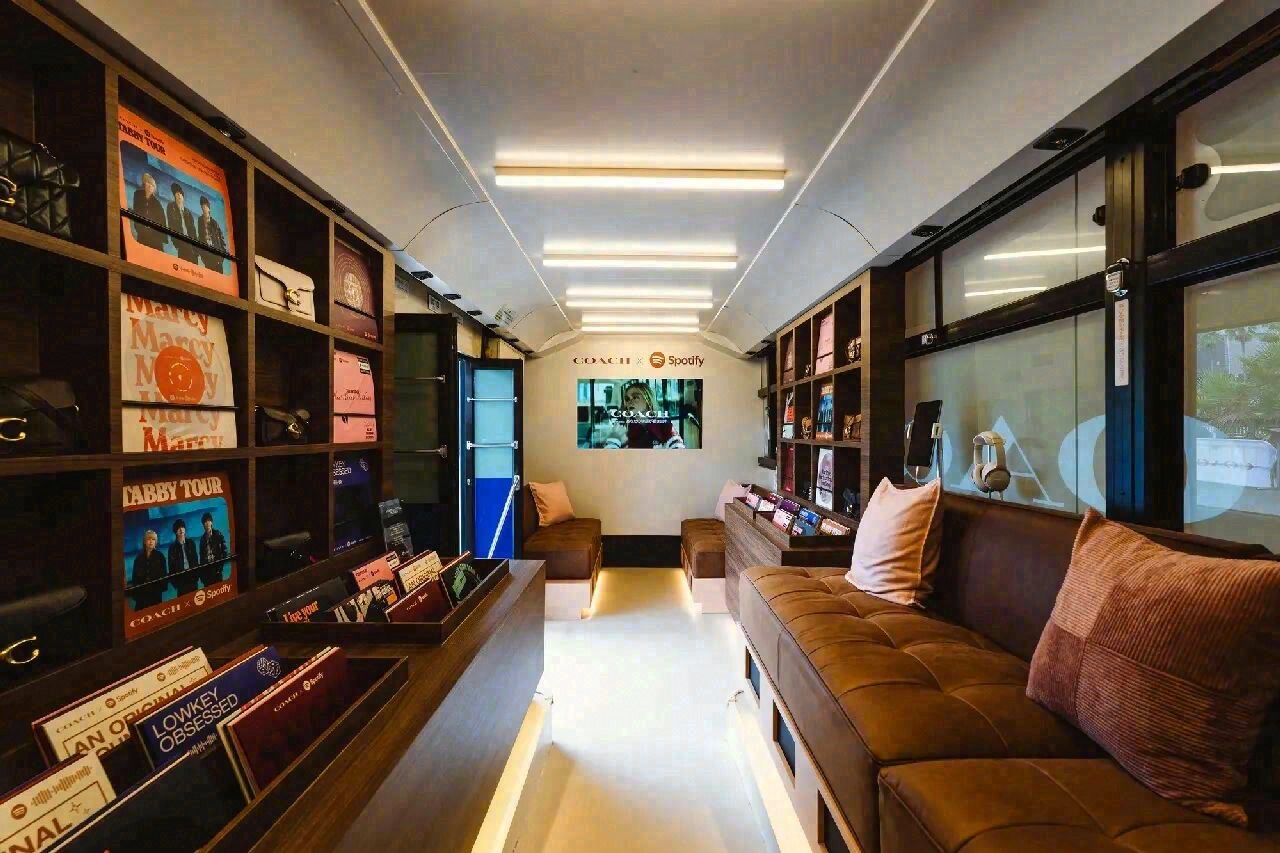
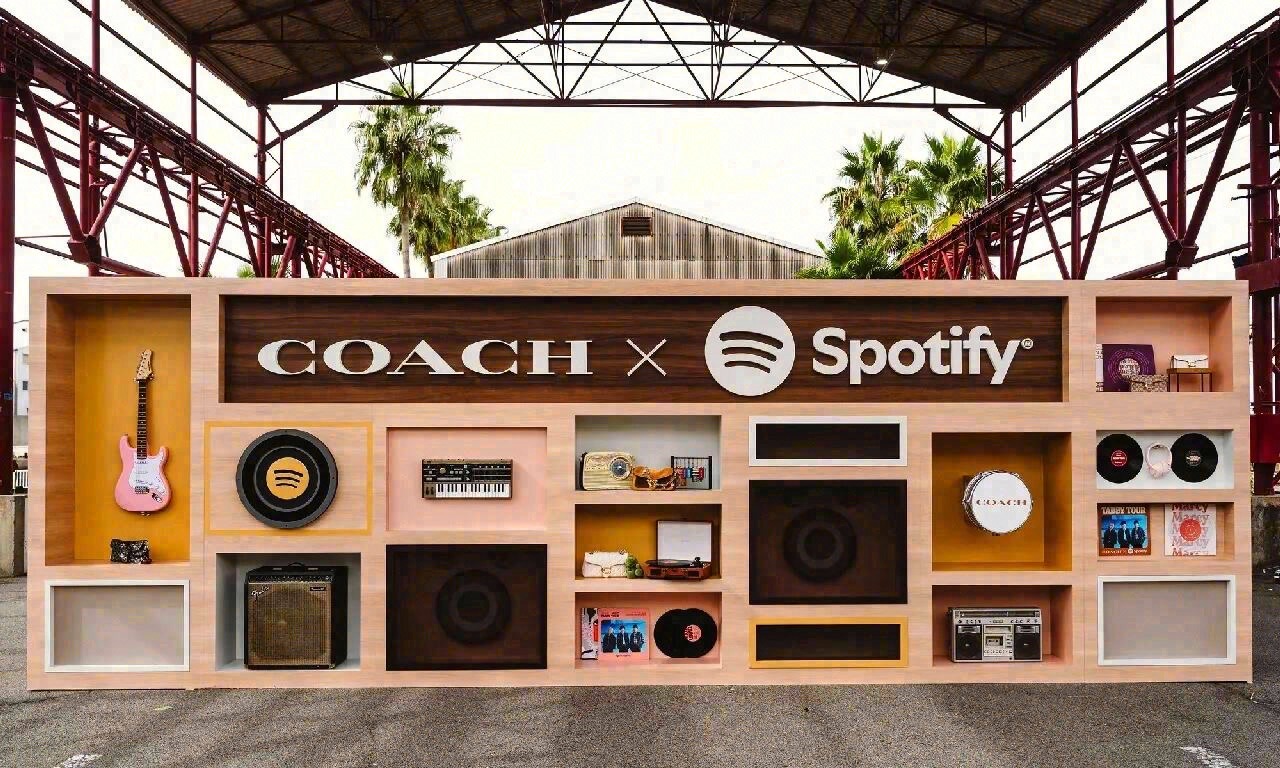
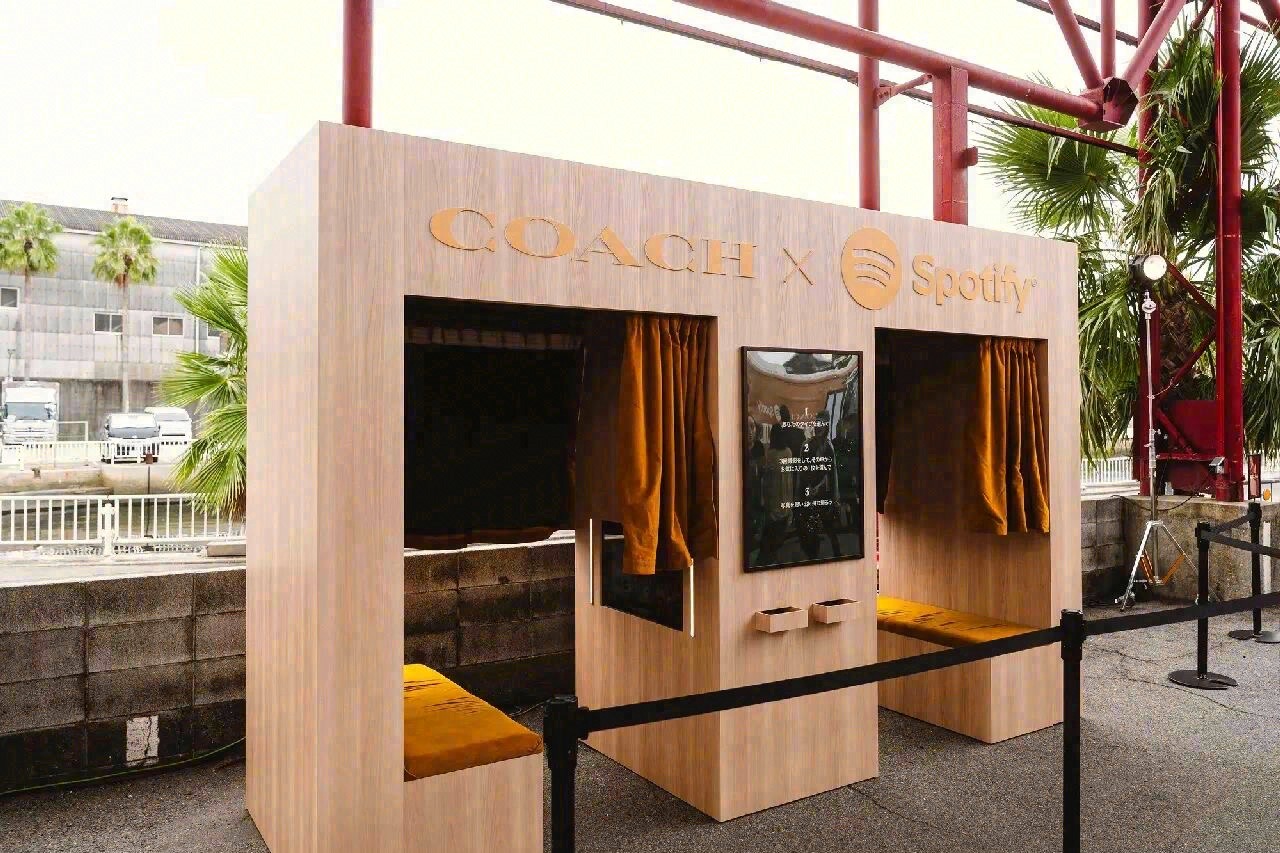
TABBY TOUR 以品牌招牌包袋 Tabby 命名,把巡演做成一条移动的音乐路线。它没有按常规快闪做产品陈列,而是在每一站搭起一个可进入的听觉空间:一辆象征企划的巴士停在场地中央,作为空间的锚点;周边分布着发现新音乐的角落、肖像拍摄区、吊牌定制台与明信片墙。更能说明思路的是 Spotify 的“人格类型歌单”——系统读取参与者平时的听歌习惯,给出一个类型判断,再推荐一份匹配的歌单。音乐品味在这里不只是一种偏好,而成为可以展示、可以交流的自我标签。
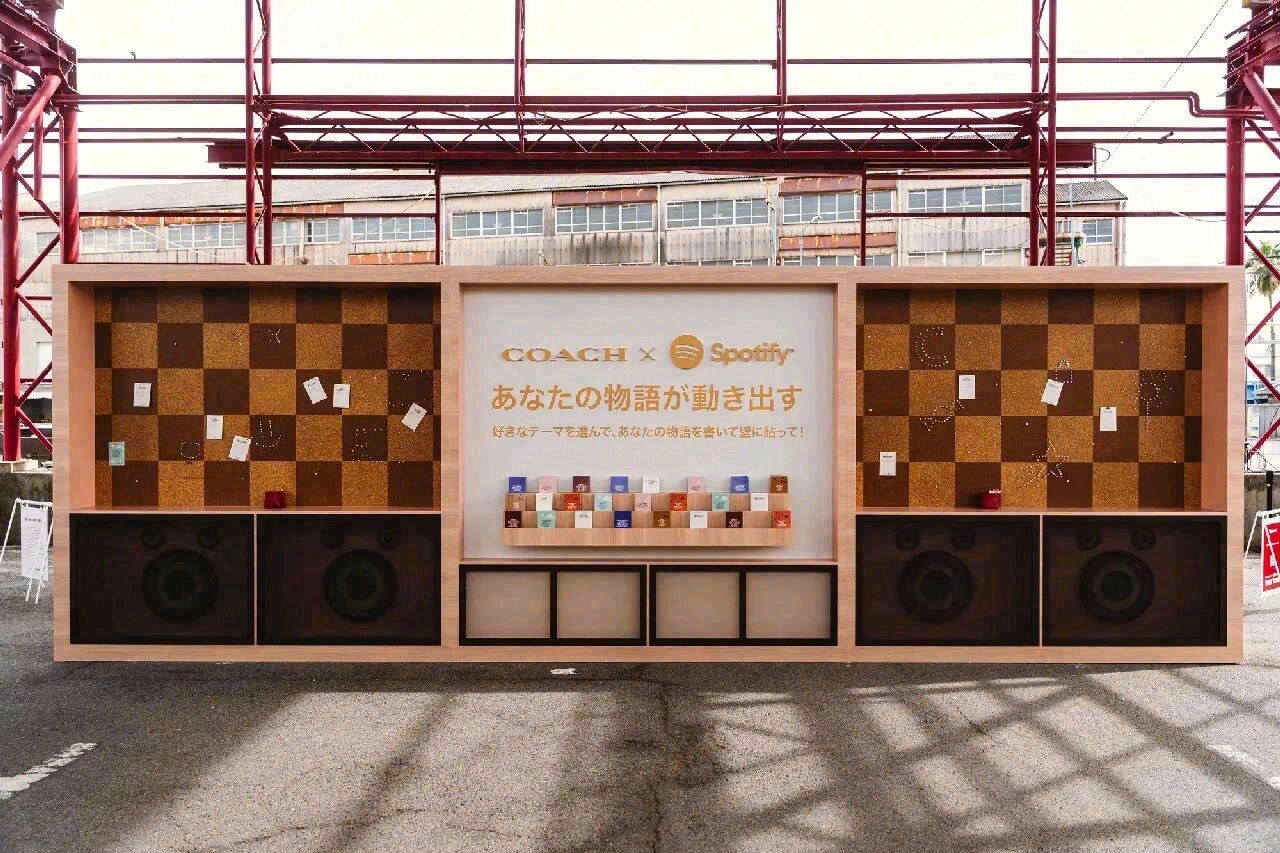
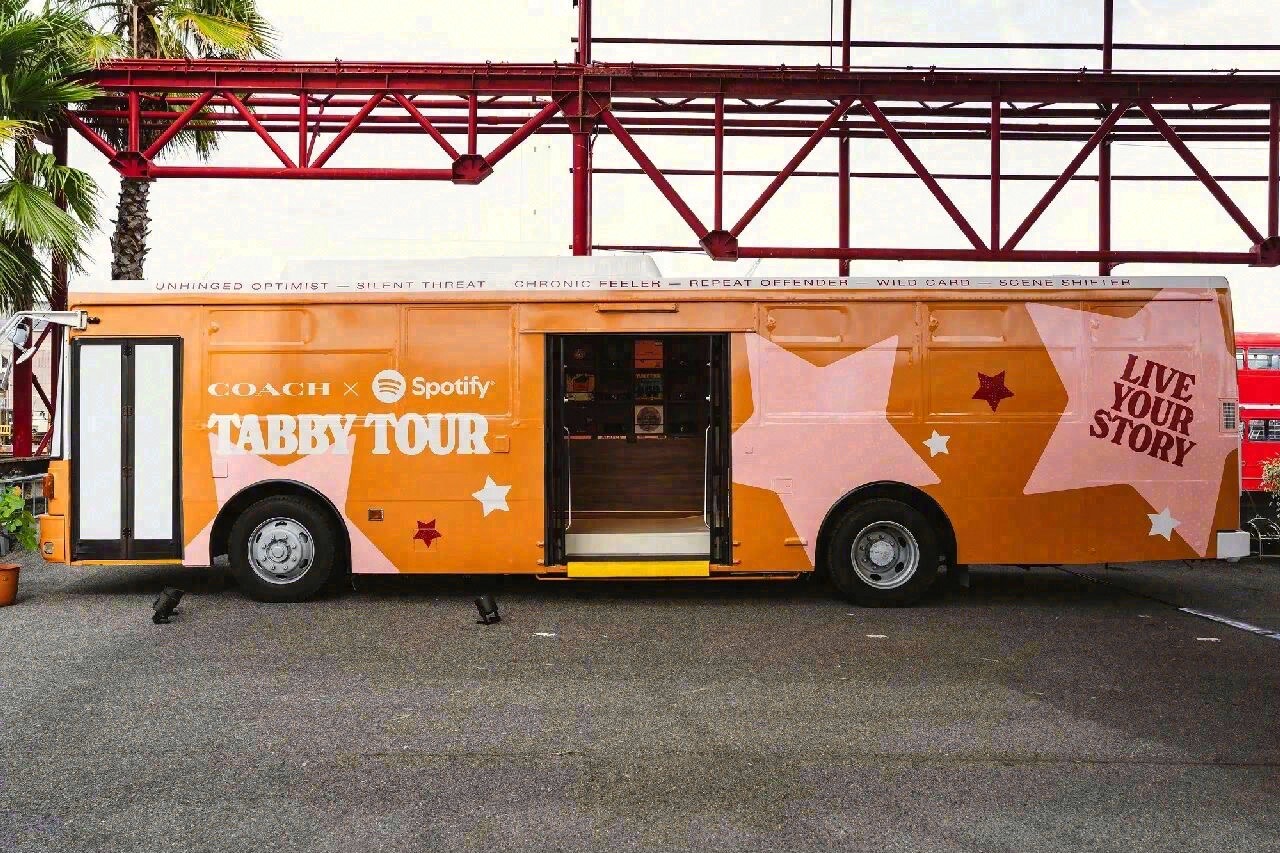
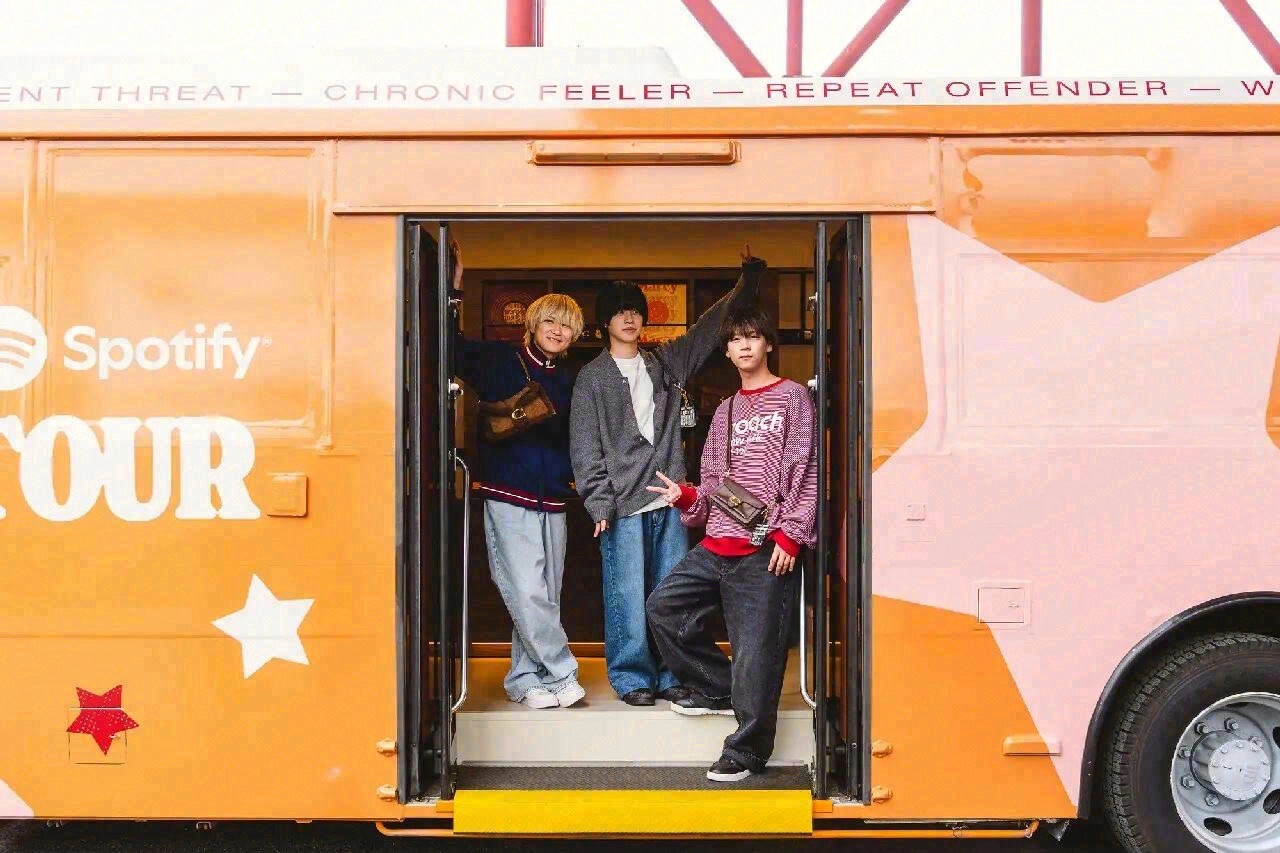
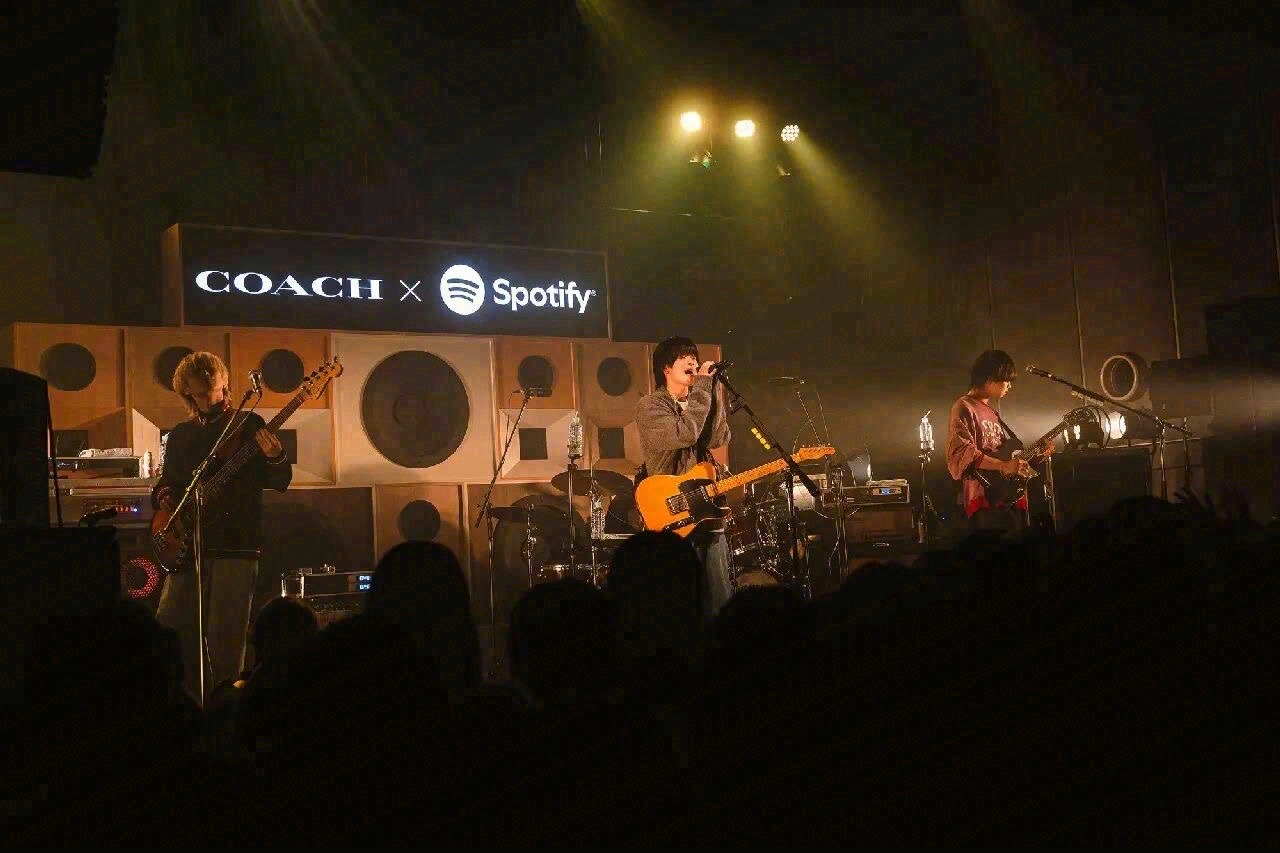
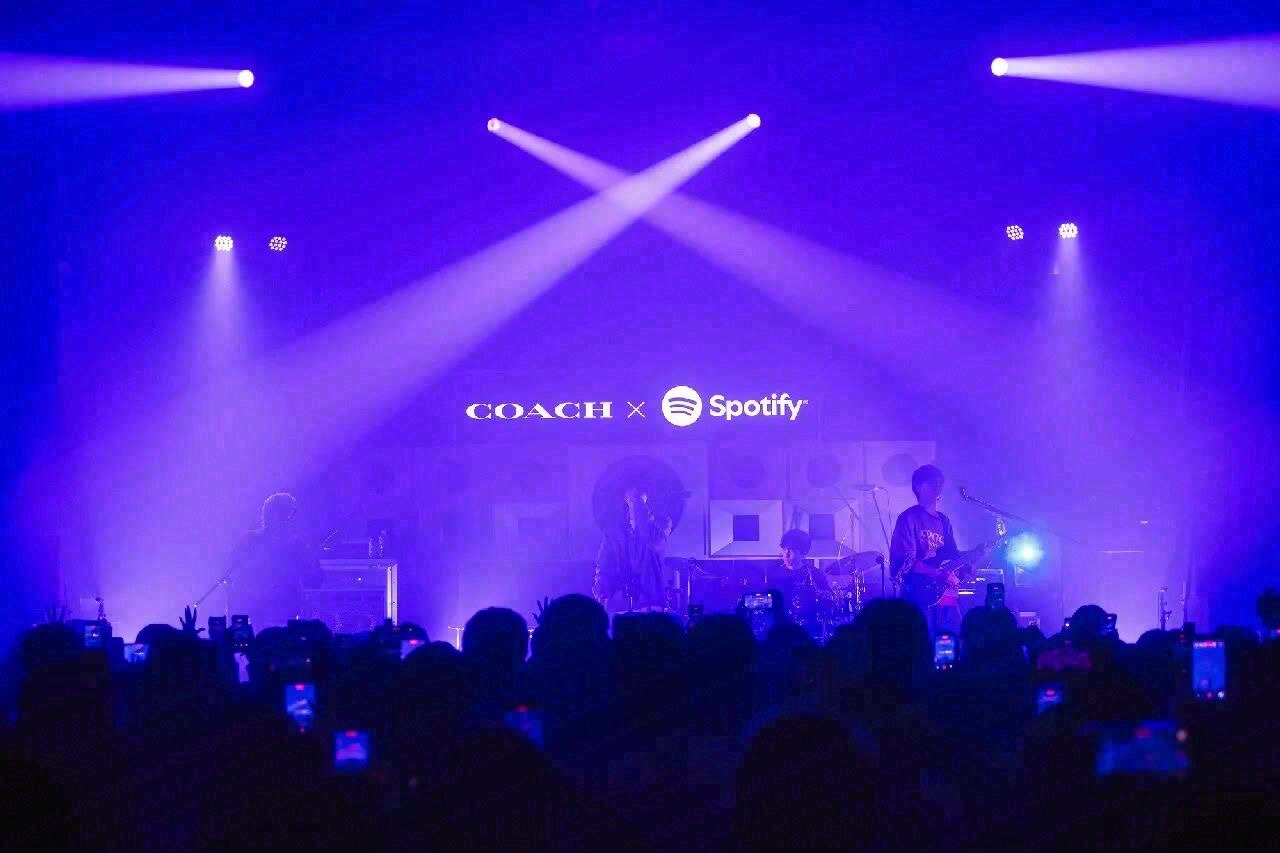
两站分别落在东京六本木 Hills Arena(10 月 21 日)与大阪 Creative Center Osaka(10 月 23 日)。现场节奏由对谈与演出交替推进:东京站由 STARGLOW 带来约 30 分钟、七首歌的演出,包括〈Star Wish〉〈Moonchaser〉〈WISHES〉;大阪站由乐队 Marcy 收官。演出之外,参与者可以拍一张记录当天状态的肖像、在原创吊牌上做属于自己的标记、在明信片上写下想说的话并留在现场。这些动作围绕两个方向设计——“带走”与“留下”:带走一份歌单和一张照片,留下一段文字。空间层面,巴士不是背景板,而是动线的起点:参与者从车身一侧进入,绕过巴士完成一周的体验,再在明信片墙前停下。这种“绕行一圈”的布置,让不同功能区在有限场地里形成顺序,而不是并列摊开。
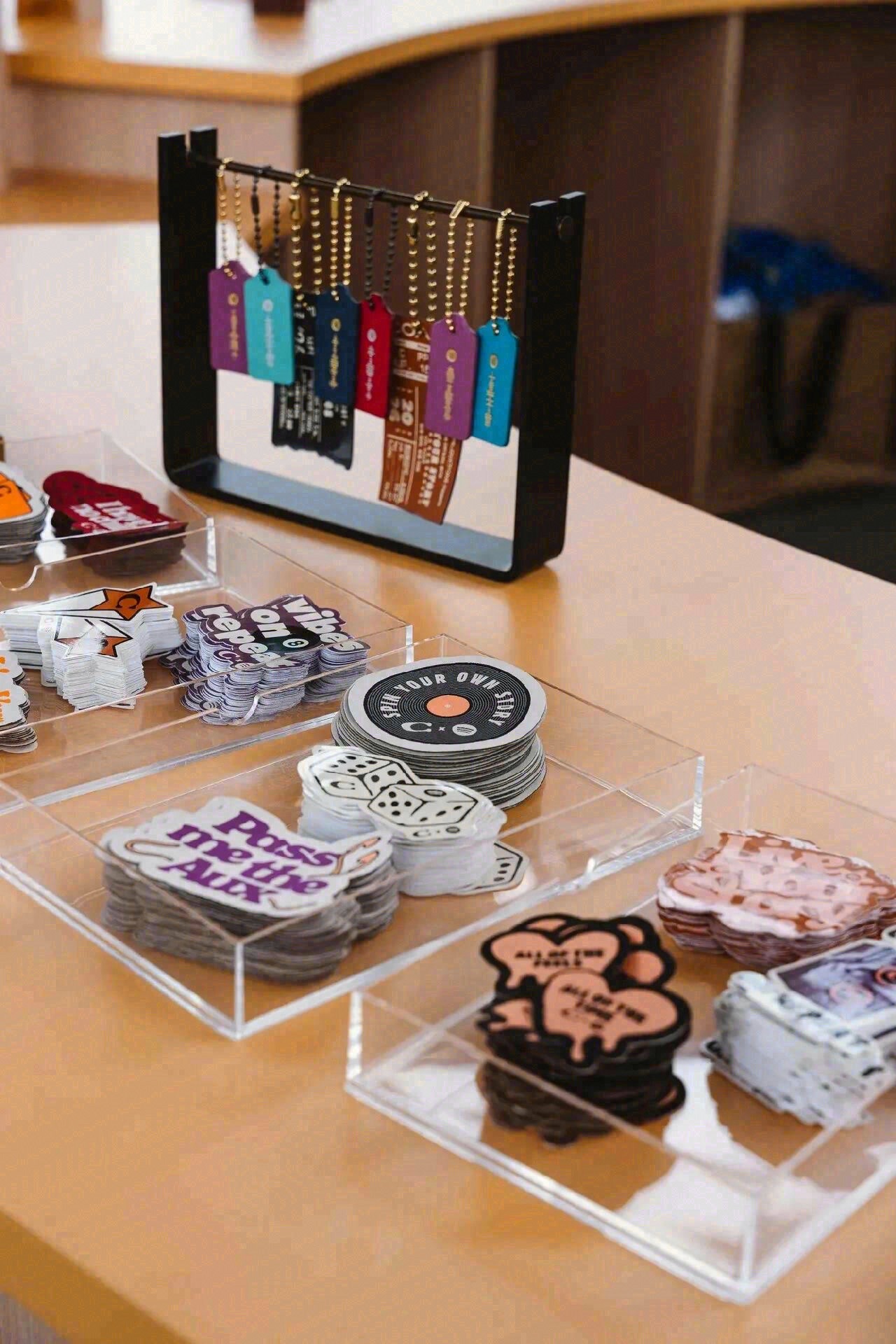
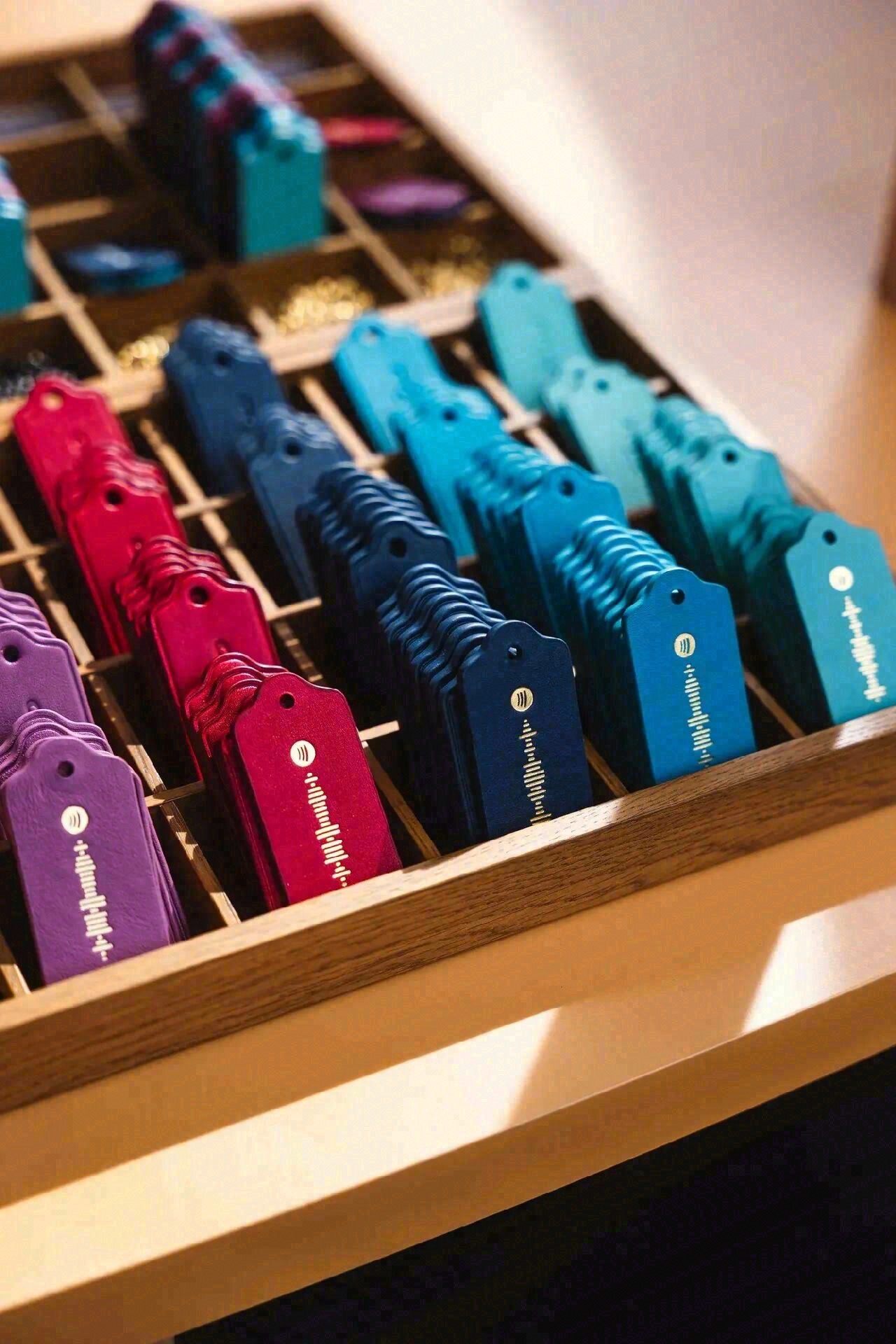
两站累计接待超过 700 名参与者。对品牌而言,这场巡演把包袋从售卖对象变成叙事载体,用音乐把年轻客群带进品牌的世界观;对活动行业而言,它提供了一个可以参考的样本:品牌与流媒体平台的合作,可以从线上联名延伸到线下巡演,用一份个性化歌单完成从“看见”到“记住”的转化。更值得注意的是它对“联名”的理解:两个品牌各自拿出的是能力而非 logo——一个提供包袋与叙事,一个提供音乐数据与推荐机制,合作因此落在体验设计上,而不是落在包装上。
COACH | TABBY TOUR (Tokyo and Osaka) | October 21 and 23, 2026 | Roppongi Hills Arena, Tokyo; Creative Center Osaka, Osaka, Japan
In Fall 2026 COACH introduced “Live Your Story,” a global campaign that puts music at the entrance of the season’s storytelling. The campaign rests on a global cultural partnership between the brand and Spotify, announced on September 16, 2026. Its emphasis is not on moving a playlist into an advertisement, but on turning a plain idea — what you listen to is part of who you are — into a place people can walk into and take part in. The brand’s long-standing purpose, “Courage to Be Real,” is restated here in more concrete terms: clothes and bags are not decoration but tools for telling your own story. The season was not confined to Japan: the Tabby Tour is a global route, and Tokyo and Osaka were two consecutive stops built on the same visual and interactive grammar, so that a visitor in either city met the same set of gestures rather than a local adaptation.
Named after the house’s signature bag, the TABBY TOUR was built as a moving route rather than a conventional pop-up with product display. Each stop was organised as a space you could enter and listen in: a bus symbolising the campaign stood at the centre of the venue as an anchor, surrounded by corners for discovering new music, a portrait area, a hangtag customisation table and a postcard wall. The clearest expression of the idea was Spotify’s personality-type playlist. The system reads a visitor’s usual listening habits, identifies a type, and suggests a matching playlist. Taste in music becomes less a private preference than a label you can show and talk about.
The two stops were Roppongi Hills Arena in Tokyo on October 21 and Creative Center Osaka on October 23. Each day alternated between talks and live sets. In Tokyo, STARGLOW performed a set of about thirty minutes and seven songs, including “Star Wish,” “Moonchaser” and “WISHES”; in Osaka, the band Marcy closed the tour. Beyond the performances, visitors could sit for a portrait recording the mood of the day, personalise an original hangtag, and write a message on a postcard to leave on site. The programme was designed around two gestures — taking something away and leaving something behind: a playlist and a photograph on one side, a written note on the other. The two live sets were chosen to fit their cities rather than to repeat a template. STARGLOW, performing in Tokyo, worked through a compact seven-song set that included “Star Wish,” “Moonchaser” and “WISHES” and ran for roughly half an hour, while Marcy closed the Osaka date with a set of the band’s own songs. Both acts also took part in the talks, which kept the music from functioning as background. The bus was treated as choreography rather than as a backdrop. Visitors entered from one side of the vehicle, moved around it through the full circuit of activities, and finished at the postcard wall, which gave the zones an order inside a compact venue instead of presenting them as a flat row of booths.
More than 700 visitors attended across the two cities. For the brand, the tour repositioned the bag from an object on display to a carrier of narrative, using music to bring a younger audience into its worldview. For the event industry, it offers a working model: a partnership between a fashion house and a streaming platform can extend from an online collaboration into a physical tour, where a personalised playlist turns a passing look into a memory. What is more instructive is how the two partners understood collaboration: each contributed a capability rather than a logo. One brought bags and a narrative frame, the other brought listening data and a recommendation engine, and the result landed in experience design rather than in packaging. The tour also shows a practical way for a fashion house to enter music culture without staging a concert of its own: by building a smaller, repeatable format that can travel, and by letting the audience leave with something they chose rather than something they were given. The two-stop structure also keeps the investment proportionate: a single set of design rules, one bus, one activity kit and a shared playlist mechanic can be re-staged in a new city without rebuilding the concept, while local artists and local talk guests keep each stop from feeling like a copy. Whether the format travels further will depend on how well the playlist mechanic keeps working once the novelty of the first two stops fades, but as a template for fashion brands moving into music culture, the Tokyo and Osaka dates are a clear reference point.
-end-
图片及内容来自网络及品牌公开信息,出处见网络
文字来自 AI 编辑完成,AI信息自我辨识
 x

