


朗格「德芯造艺」精密计时展(上海站)
 作者: editor01
 代理商:
不确定
项目信息
项目品牌: A.Lange&Soehne 朗格
项目行业: 珠宝钟表
项目日期:
 2026-10-31 10:00
2026-11-07 18:00
项目地点: 上海 外滩源壹号
项目名称: 「德芯造艺」朗格精密计时展
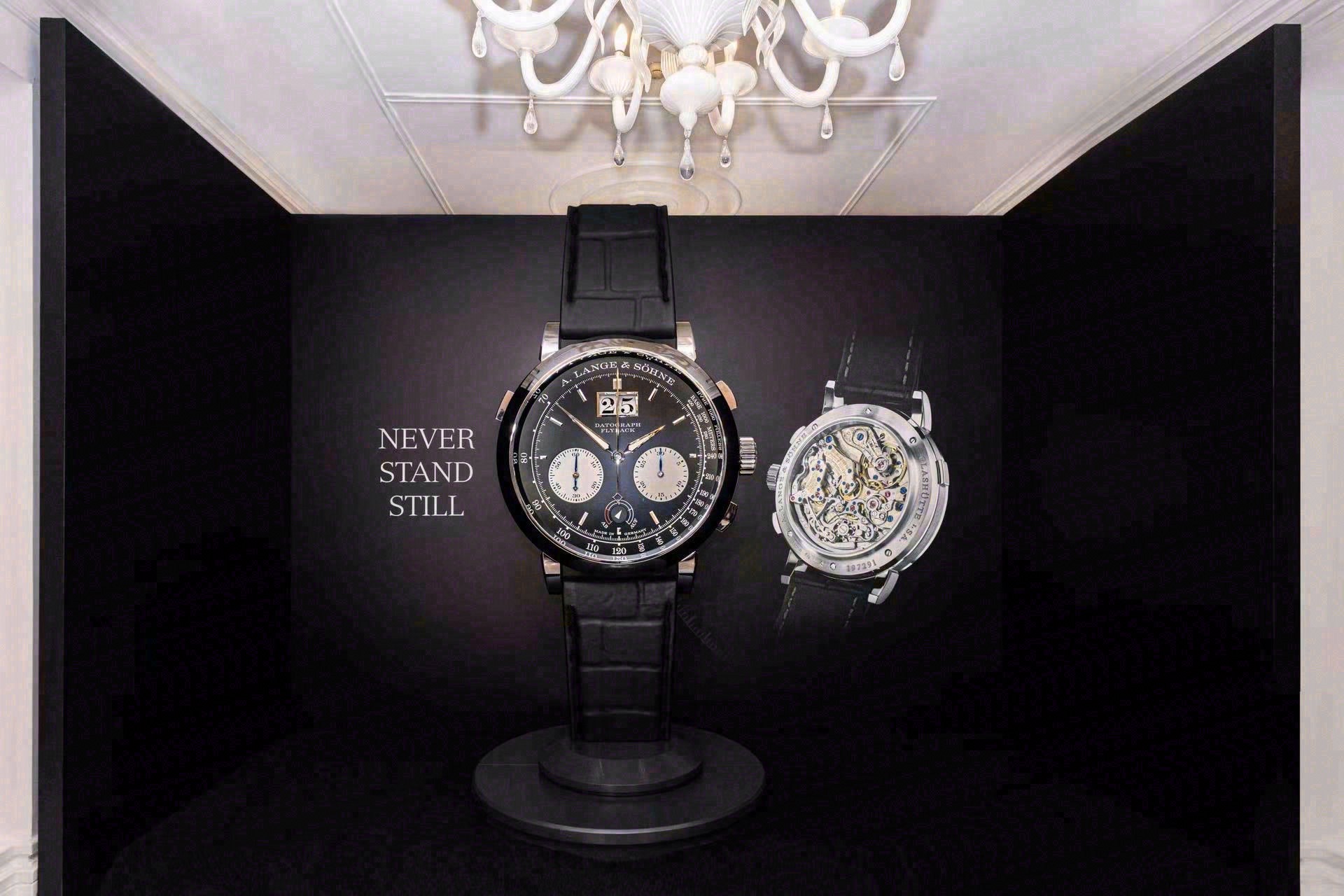
品牌:朗格 A. Lange & Söhne|项目:「德芯造艺」朗格精密计时展|时间:2026.10.31—11.07(每日 10:00—18:00)|地点:上海市 外滩源壹号(中山东一路 33 号)
朗格 A. Lange & Söhne 来自德国萨克森州,做的是精密制表,品牌历史超过 180 年。1990 年代品牌复兴之后,计时成为它核心的一条技术线:1999 年起,朗格持续把计时码表往更复杂的方向推,追针、万年历、陀飞轮这些结构被反复组合。2026 年 10 月 31 日,「德芯造艺」朗格精密计时展在上海外滩源壹号开幕,展期到 11 月 7 日,每天 10 点到 18 点。
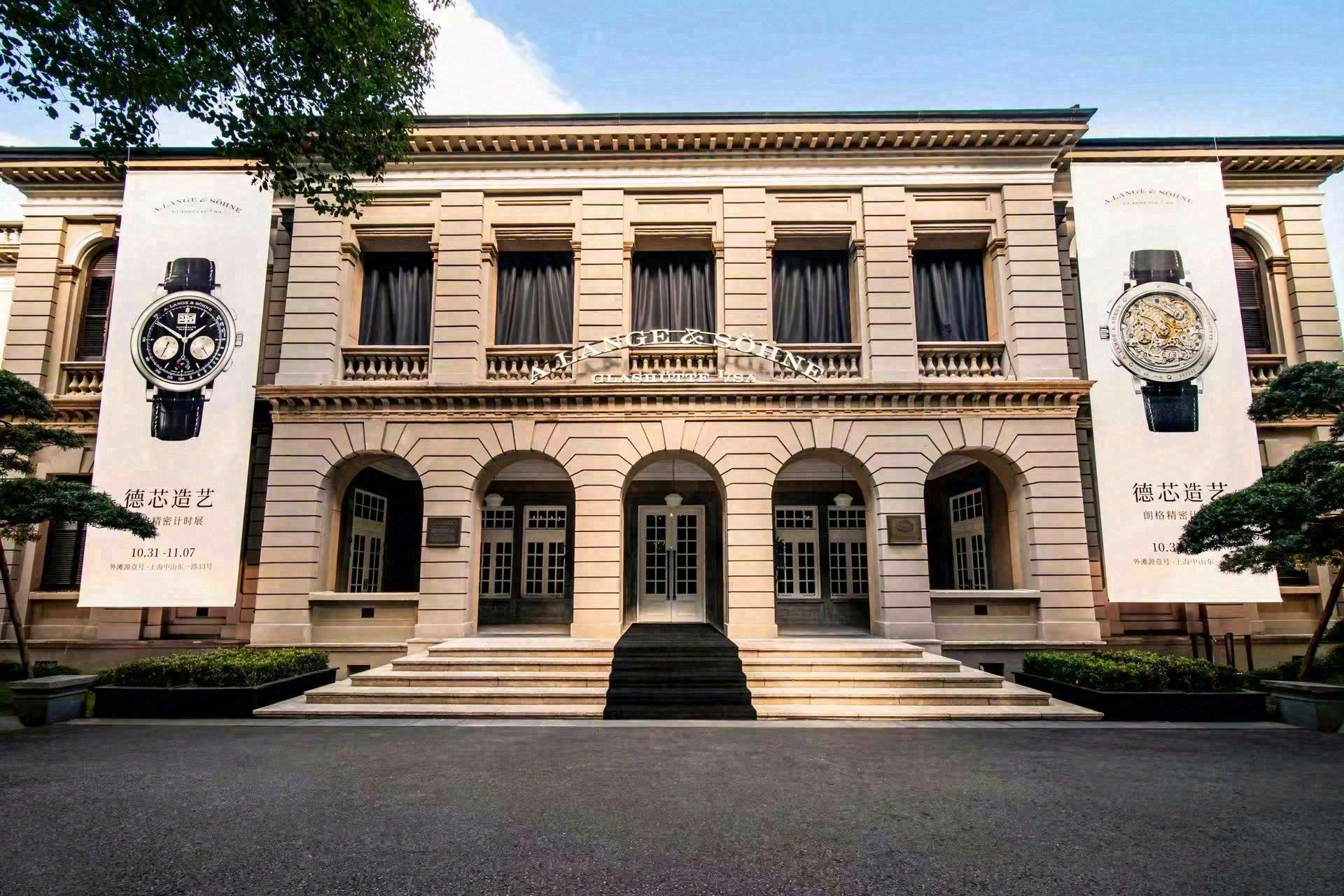
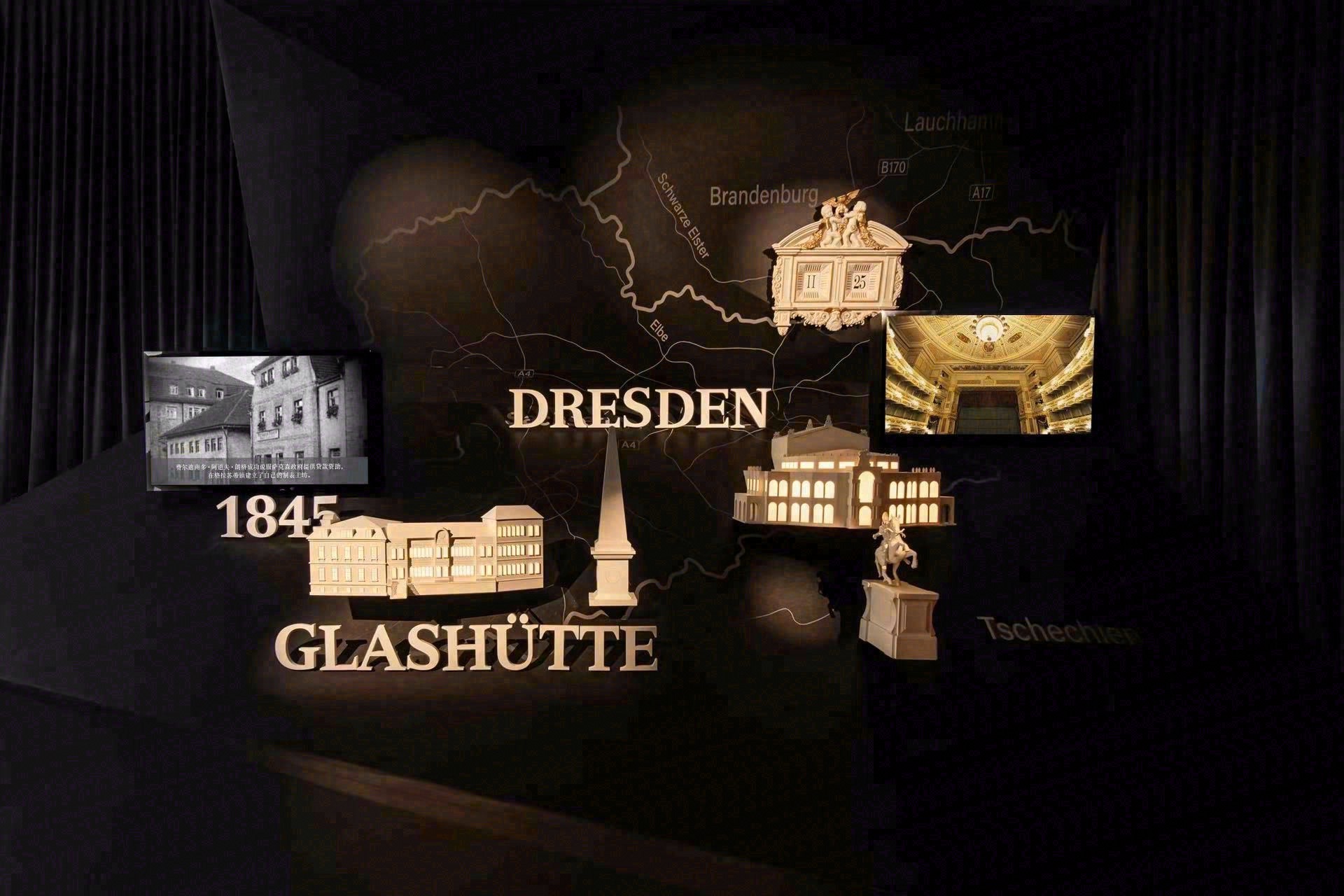
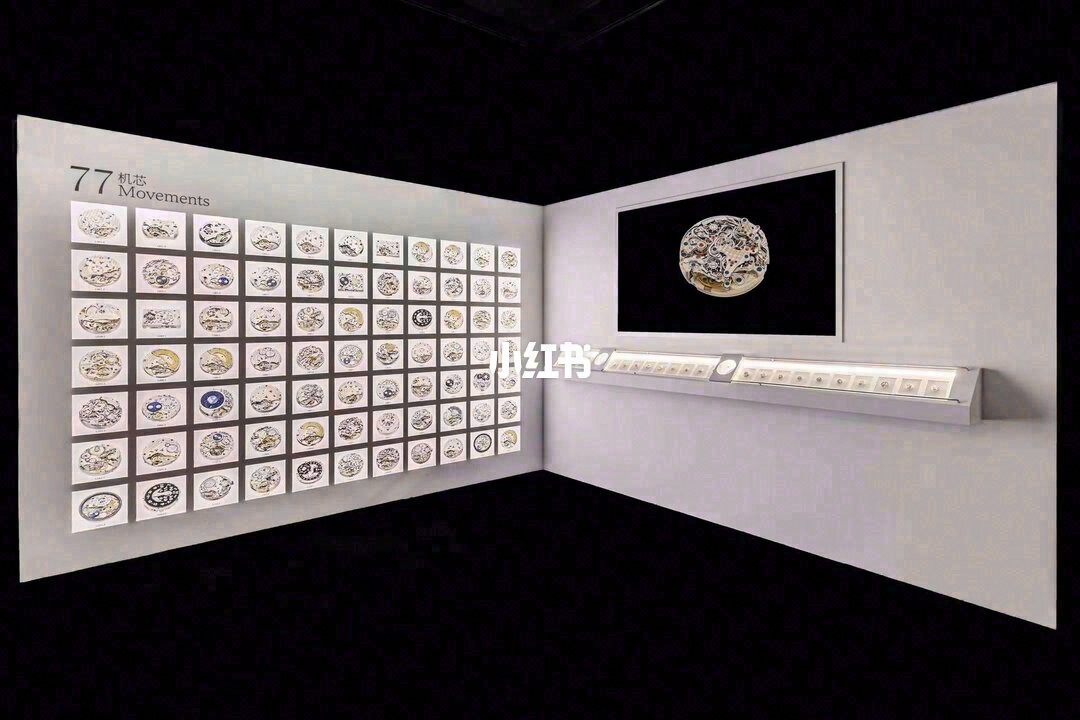
展览以「计时」为主线,五个主题空间按「历史—作品—技术—机芯」的顺序层层展开:从品牌历史的源起与复兴,到卓越计时作品的诞生与背后的探索,再到机械技术的演进,收在机芯之美与精密工艺。这条顺序本身就是一个论证:历史说明为什么要做计时,作品给出做到什么程度,技术解释怎么做,机芯则把工艺摊开给人看。名字里的「德芯造艺」,说的正是这条路径——德国的芯,和围绕它建立的手艺。
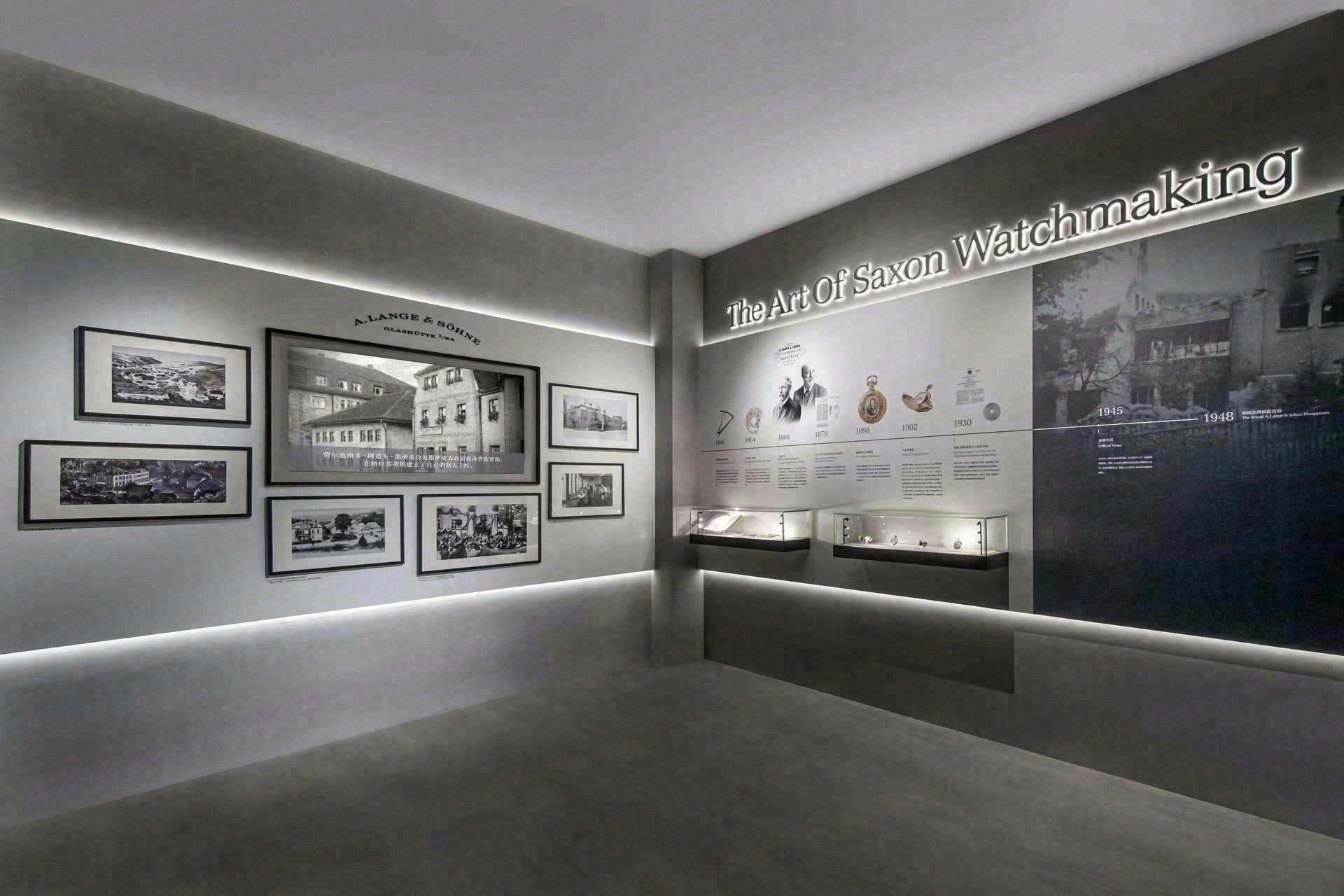
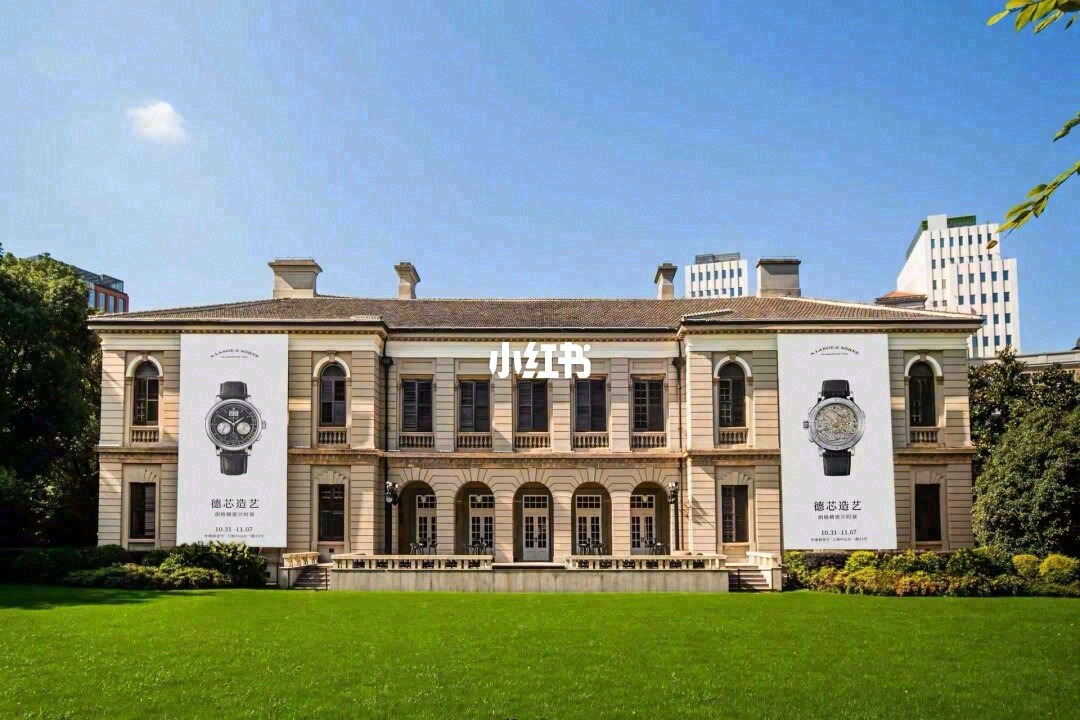
落地在外滩源壹号,一栋有年份的建筑。展陈用三种媒介分工:多媒体交代结构与原理,实物给出比例、重量与打磨,互动体验补上手上的那一步——计时的操作逻辑,按一次,比看十行字更清楚。历史段落用德累斯顿及周边地区的地图与建筑模型,把「萨克森精密制表」放回它的地理原点;作品段落集中陈列 9 枚计时作品,包括 DATOGRAPH 大日历计时、1815 计时、TOURBOGRAPH 陀飞轮追针计时「荣誉勋章」、DATOGRAPH 大日历计时万年历、DATOGRAPH 大日历计时动力储存指示、1815 追针万年历、DATOGRAPH 大日历计时万年历陀飞轮与 TRIPLE SPLIT 三重追针。实物之间留出距离,观众可以逐枚看完。
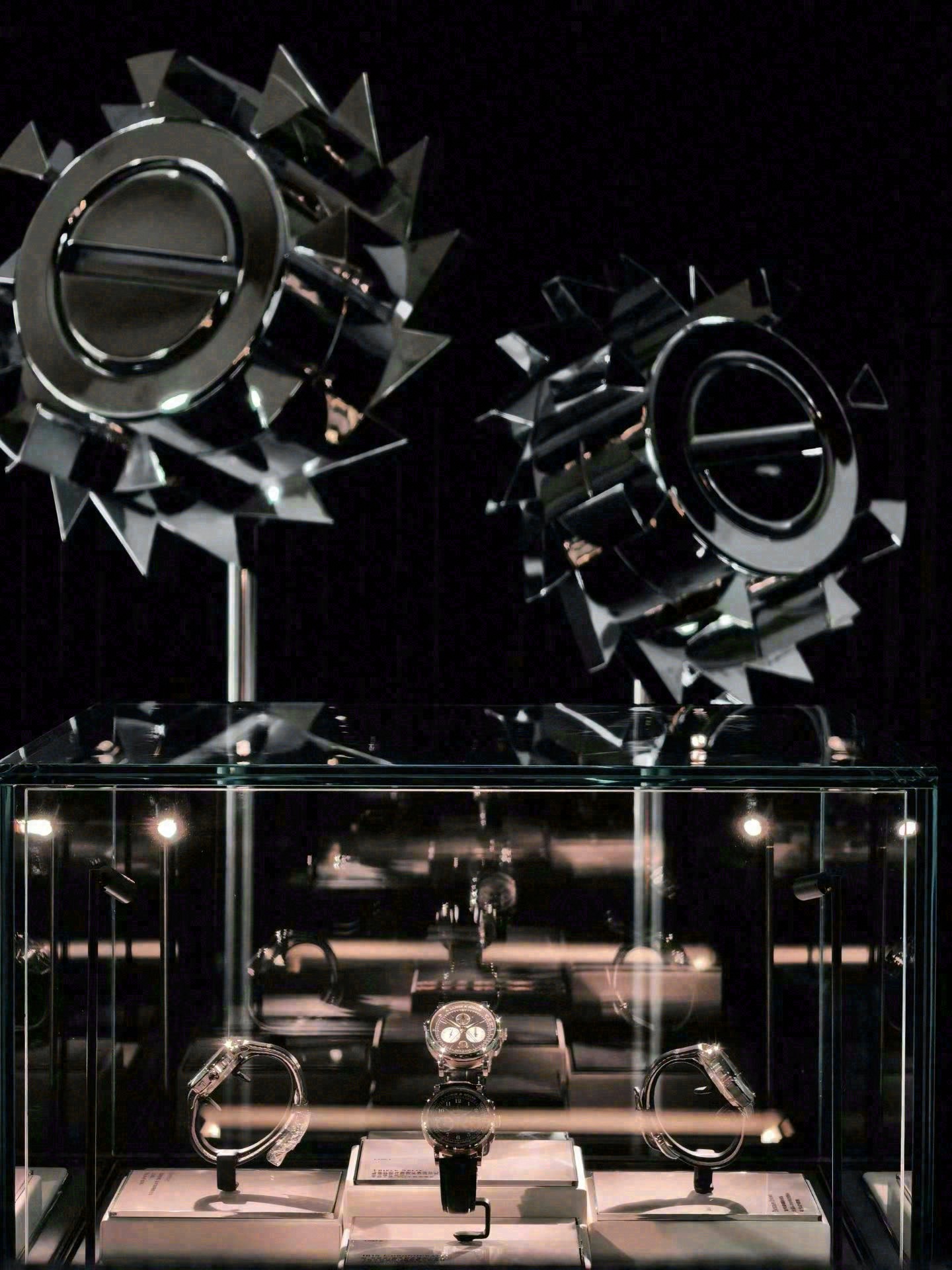
展期八天、需要预约,这两个条件决定了它更像一次定向沟通,而不是面向全城的公开活动。对朗格来说,计时不是附属功能,而是品牌在复杂功能领域的技术名片;把 9 枚作品放进同一栋历史建筑,等于把「德国芯」从参数表里拿出来,交给眼睛和手去判断。展览留下的不是一个数字,而是一个可以复述的说法:德芯造艺。对一个客单价高、决策周期长的品类来说,能被复述的说法,比一次热闹更有价值。
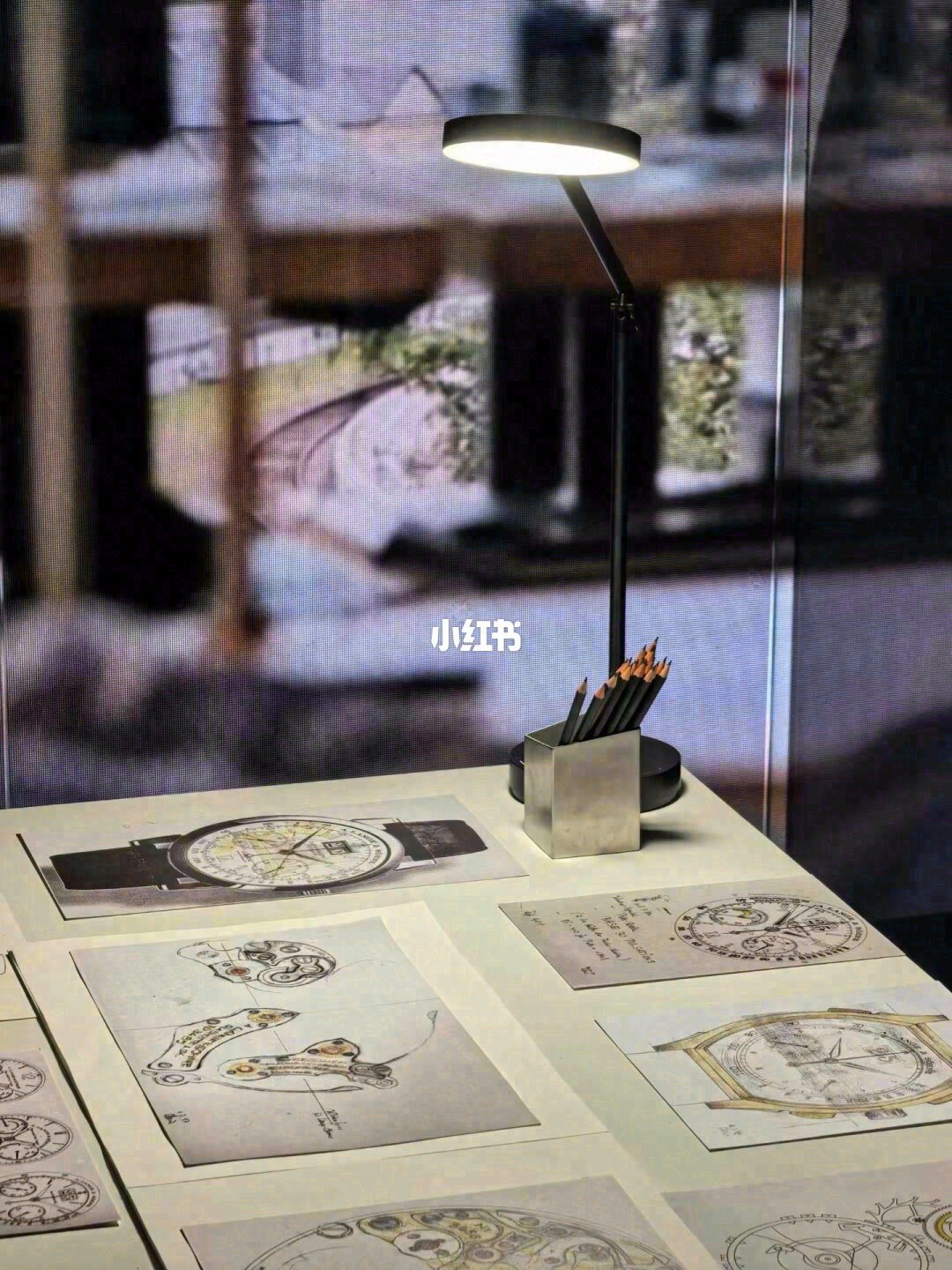
A. Lange & Söhne is a German watchmaker from Saxony with more than 180 years of history, devoted to precision mechanical watchmaking. After the brand's revival in the 1990s, the chronograph became its central technical territory: from 1999 onward, Lange kept pushing the complication into more complex forms, combining split-seconds, perpetual calendar and tourbillon architectures. On 31 October 2026 the exhibition "German Movement, German Craft" opened at Bund Yuan No. 1 in Shanghai, on Zhongshan East First Road, and runs through 7 November, daily from 10:00 to 18:00. The venue is part of the argument. Bund Yuan No. 1 sits among the historic buildings of the Bund, a district built on trade and finance in its own right; putting a German movement inside it sets up a conversation between two manufacturing cultures rather than a neutral white-cube display.
The exhibition takes chronography as its single thread and runs it through five themed spaces in a deliberate order: the origins and revival of the brand, the creation of notable chronographs and the exploration behind them, the evolution of mechanical technology, and finally the beauty and precision of the movement. That sequence is an argument rather than a timeline. History explains why the chronograph mattered; the watches show how far the craft has been taken; technology explains how it is done; the movement opens the work up to inspection. The Chinese title, "De Xin Zao Yi", names the same route — a German movement, and the craft built around it. Five rooms is a lot for a single complication, but the subject justifies it: a chronograph is one of the few watch functions whose mechanism can be explained rather than only admired. Each room narrows the focus, so that by the final space the visitor is looking at finishing rather than at a dial.
The setting is Bund Yuan No. 1, a historic building on the Bund. Three media divide the work: multimedia explains structure and principle, physical objects provide scale, weight and finish, and interactive displays add the step that only hands can supply — starting, stopping and resetting a chronograph is clearer after one attempt than after ten lines of text. The historical section uses maps and architectural models of Dresden and its surroundings to put Saxon precision watchmaking back on its geographical origin. The watch section gathers nine chronographs, among them the DATOGRAPH with outsize date, the 1815 Chronograph, the TOURBOGRAPH split-seconds chronograph "Pour le Mérite", the DATOGRAPH Perpetual, the DATOGRAPH with power reserve indication, the 1815 Rattrapante Perpetual Calendar, the DATOGRAPH Perpetual Tourbillon and the TRIPLE SPLIT. Objects are spaced apart, so each piece can be read on its own.
The building sets the pace as well. Rooms are separated by doorways and short passages, so the exhibition is read in chapters rather than in one sweep. The gaps between objects serve the same purpose: a chronograph has a front and a back, and the display leaves room to move around each piece instead of queueing in front of it.
An eight-day run with advance reservation makes the exhibition a directed conversation rather than a city-wide public event. For Lange, the chronograph is not a side function but the brand's technical calling card, and placing nine pieces inside one historic building takes the claim out of the specification sheet and puts it in front of the eye and the hand. What remains after the week is not a visitor number but a phrase that can be repeated: German movement, German craft. For a category with high prices and long consideration cycles, a repeatable phrase is worth more than a busy opening night. Reservation also gives the brand a list, and gives the visitor a reason to spend an hour rather than ten minutes. At this level, an hour is the minimum needed to understand what is being sold.
-end-
图片及内容来自网络及品牌公开信息,出处见网络
文字来自 AI 编辑完成,AI信息自我辨识
 x

