


Tiffany 2026 Blue Book 高级珠宝系列 Hidden Garden 花语秘境发布
 作者: Winniekong
 代理商:
不确定
项目信息
项目品牌: Tiffany & Co. 蒂芙尼
项目行业: 珠宝钟表
项目日期:
 2026-10-24 11:00
2026-10-24 19:00
项目地点: 上海 露香园
项目名称: Tiffany 2026 Blue Book 高级珠宝系列 Hidden Garden 花语秘境发布
Tiffany 2026 Blue Book 高级珠宝系列 Hidden Garden 花语秘境发布
2026年10月24日
上海 露香园
项目传播


项目现场




晚宴




Tiffany Blue Book“花语秘境”(Hidden Garden)并非一场单纯的高级珠宝发布,而是一次关于“自然如何被品牌重新编码”的精密操演。从项目背景看,这是LVMH收购后蒂芙尼持续将品牌向高处推的关键一步:在奢侈品冷周期中,高珠展承担着立天花板、巩固文化定价权的功能。
系列由Nathalie Verdeille主导,灵感根系却深植于两条历史脉络:让·史隆伯杰的自然主义典藏,以及其挚友邦妮·梅隆的橡树泉花园——那位亲手设计白宫玫瑰园、收藏了史隆伯杰一百四十余件作品的女人。这使得“花语秘境”从诞生起就带有双重遗产叙事:设计的遗产,与收藏的遗产。
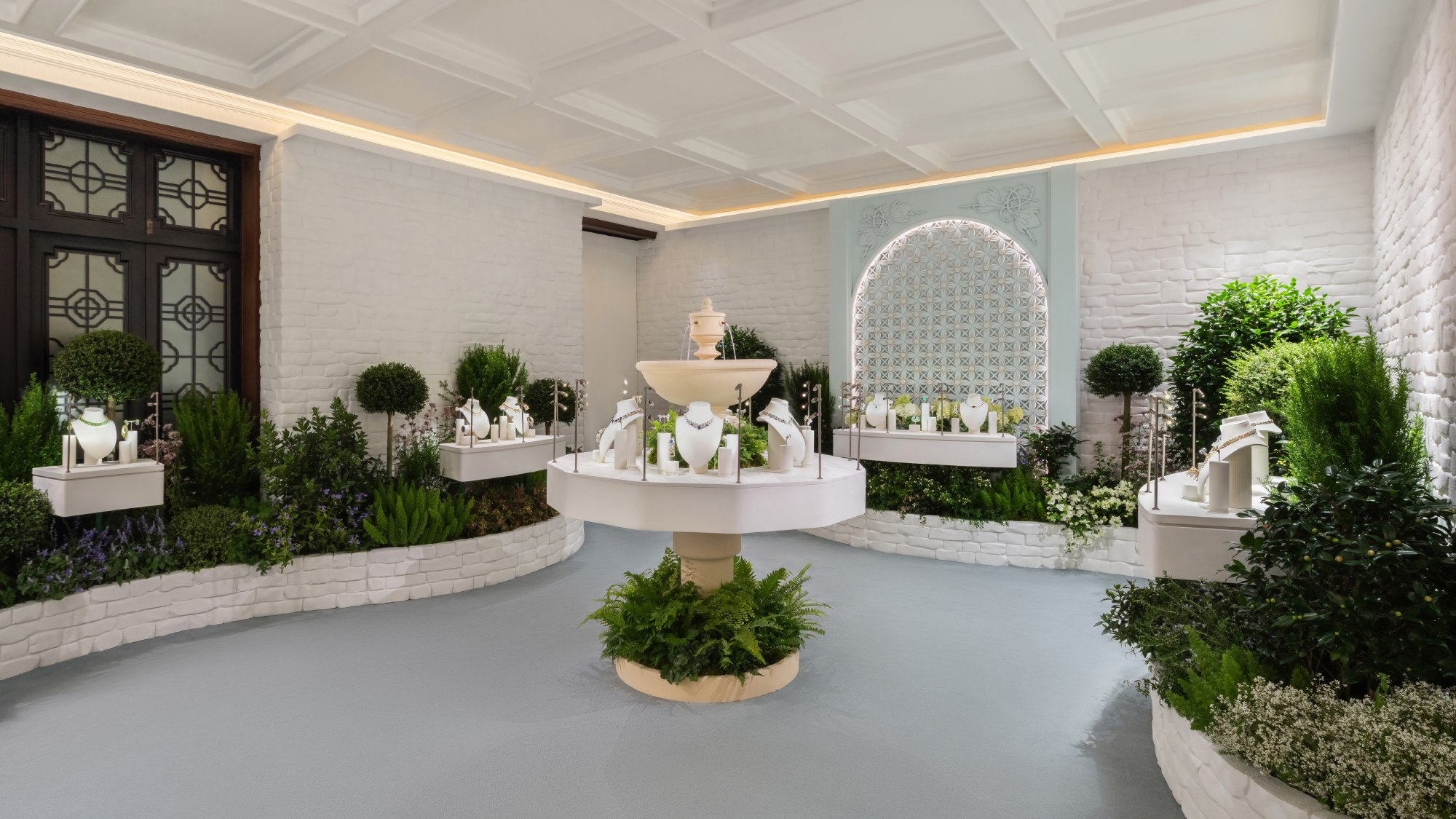
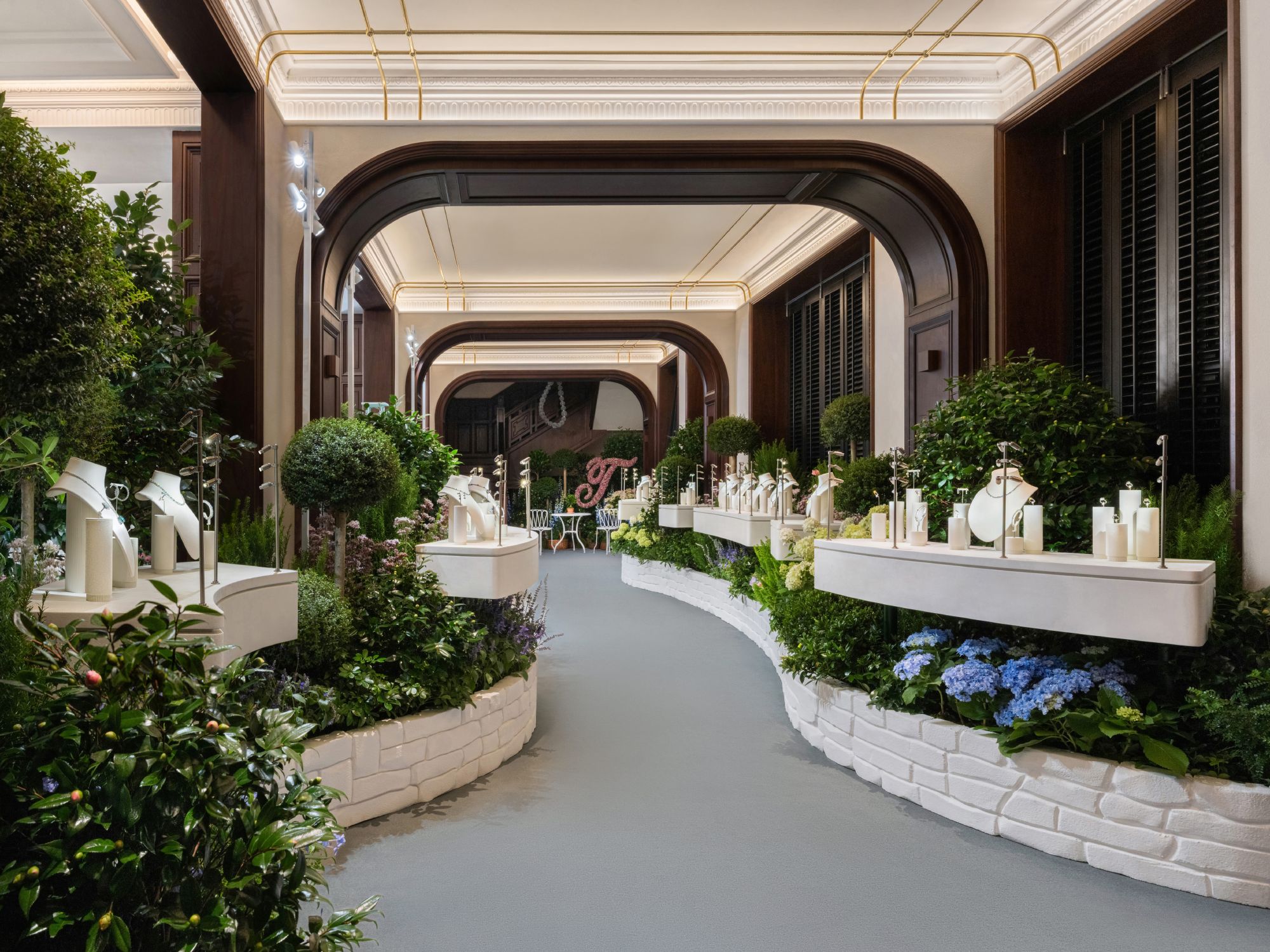
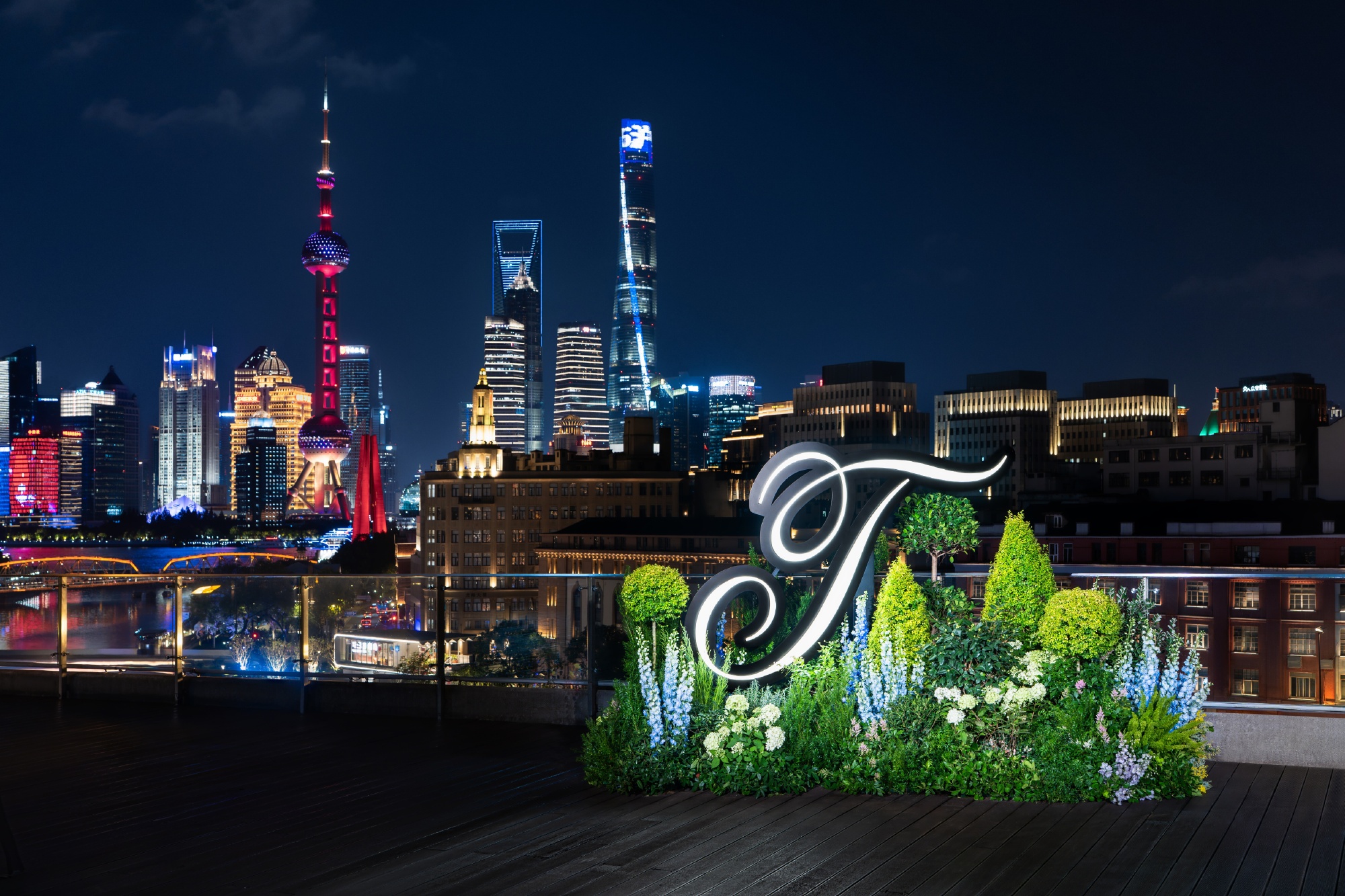
空间与造型是这种叙事最直观的载体。上海露香园的老洋房被改造成一间鼠尾草灰绿色的“临时温室”,浅金格架、编篮、蓝色矢车菊手稿营造出私人花房的氛围。八个展柜的陈列顺序本身就是一次时间旅行:先以梅隆夫人旧藏、后赠予弗吉尼亚美术馆的史隆伯杰古董开篇——1965年的“石上鸟”胸针被置于视觉起点——再过渡到春、夏、秋三季新作。古董与当代并置,让新作不是“被观看”,而是“被接入”一条可追溯的血统。专属时计空间的首次设置,则进一步将珠宝工艺延伸至制表传统,形成品类之间的互文。
从制作角度看,“花语秘境”的工艺哲学恰恰在于它并不追求“像自然”,而是追求“自然被压进秩序之后反而更清楚”。雏菊花瓣以手工柔软网状结构制作,再由钻石勾出边界,浪漫花语被整理成图腾;棕榈叠影以paillonné珐琅工艺叠搭色彩;金缕织梦用铂金与18K黄金编织出纤维的受力感。这是一种高度自觉的“人造自然”:每一片叶子、每一只蝴蝶的振翅,都是被计算过的雕塑。
活动内容与传播营销的关系在此呈现出一种值得解读的错位。高珠展本身的传播逻辑是“遗产—工艺—稀缺性”的闭环,但真正让“花语秘境”在社交平台上获得超出展厅的流动性的,是两条与之平行、甚至部分脱离品牌预设的路径:其一是群星晚宴制造的“颜狗天堂”式视觉事件,章子怡、唐嫣、言承旭等人的同框与互动一夜之间刷屏,将珠宝从展柜中抽离,嵌入大众对“美”与“关系”的即时消费;其二是小红书上消费者自发创造的“玄学线”——Tiffany被谐音为“踢翻你”,高珠展上是艺术,社交媒体上是职场护身符,“拼团拆解重制”的玩法传播效率甚至超过品牌任何一支高珠广告。
品牌讲述传承,消费者讲述生存;高珠展提供的是梦的素材,而梦的流通方式已经部分脱离了品牌的控制。 “花语秘境”的项目意义,正在于它同时暴露并利用了这种张力。它用一座“可佩戴的微缩花园”回应高级珠宝市场同质化堆砌克拉数的痛点,用史隆伯杰—梅隆的双重遗产为每一件作品注入可被收藏的“出处”,同时以露香园的在地性完成一次文化转译。而它真正提出的问题或许是:当消费者已经开始用自己的语言重写品牌故事,一场高珠展的终极产品,究竟是那些不可复制的宝石,还是那些在展厅之外持续流通的、关于“蒂芙尼是什么”的叙事碎片。
Tiffany Blue Book “Hidden Garden”: A “Nature” That Is Precisely Engineered Tiffany Blue Book “Hidden Garden” is not simply a high jewelry launch; it is a meticulous exercise in how nature gets re-coded by a brand. In background terms, it sits within Tiffany’s post-LVMH push upward: amid a luxury slowdown, the high jewelry exhibition functions to set the ceiling and consolidate cultural pricing power. Designed under Nathalie Verdeille, the collection draws on two historical roots: Jean Schlumberger’s naturalist archive and the Oak Spring Garden of Bunny Mellon, Schlumberger’s close friend and patron, who designed the White House Rose Garden and collected over 140 of his pieces.
From the outset, Hidden Garden carries a double inheritance—of design and of collecting. Space and styling make that inheritance visible. Shanghai’s Luxiangyuan was recast as a sage-green “temporary conservatory,” with pale gold trellises, woven baskets and a cornflower sketch establishing the atmosphere of a private glasshouse. The sequence of eight vitrines is itself a journey through time: Schlumberger’s vintage pieces from Mellon’s collection—later gifted to the Virginia Museum of Fine Arts—open the narrative, anchored by the 1965 Bird on a Rock brooch, before the spring, summer and autumn 2026 pieces unfold. Antique and contemporary are not merely juxtaposed; the new works are inserted into a traceable lineage.
A dedicated timepiece space extends the vocabulary of jewelry craft into watchmaking, creating intertextuality across categories. Craft-wise, the philosophy is not to imitate nature but to make nature more legible once pressed into order. Daisy petals are built from hand-shaped flexible mesh and outlined in diamonds, turning floral romance into totem; Palm uses paillonné enamel; Raffia weaves platinum and 18K gold into a sense of fibrous tension. This is a self-conscious artificial nature: every leaf and wing is a calculated sculpture. The relationship between content and communication reveals a productive misalignment.
The exhibition’s own logic is a closed loop of heritage, craft and scarcity, yet what carried Hidden Garden beyond the vitrines were two parallel currents partly outside brand control: a celebrity gala that produced a “feast for the eyes,” with Zhang Ziyi, Tang Yan and Jerry Yan generating a night of social-media saturation, extracting jewelry from display and embedding it in the immediate consumption of beauty and relational drama; and an organic “metaphysical” discourse on Xiaohongshu, where Tiffany becomes a workplace talisman and group-buy remixing spreads faster than any high jewelry advertisement.
The brand narrates inheritance; consumers narrate survival. The project’s significance lies in the way it both exposes and exploits this tension. It answers a market saturated with carat-count one-upmanship by offering a wearable micro-garden, gives each piece a collectible “provenance” through the Schlumberger–Mellon double heritage, and translates the narrative into local cultural terms at Luxiangyuan. The deeper question it leaves open is whether the ultimate product of a high jewelry exhibition is the irreducible gemstone—or the narrative fragments about what Tiffany is that keep circulating long after the lights in the conservatory go down.
-end-
图片及内容来自网络及品牌公开信息,出处见网络
文字来自 AI 编辑完成,AI信息自我辨识
 x

