


FALCONERI「绒于东方」四季羊绒展(北京)
 作者: editor01
 代理商:
不确定
项目信息
项目品牌: FALCONERI
项目行业: 服装及鞋履
项目日期:
 2026-10-29 10:00
2026-10-29 20:00
项目地点: 北京 京艷·翰林书院
项目名称: FALCONERI「绒于东方」四季羊绒系列展
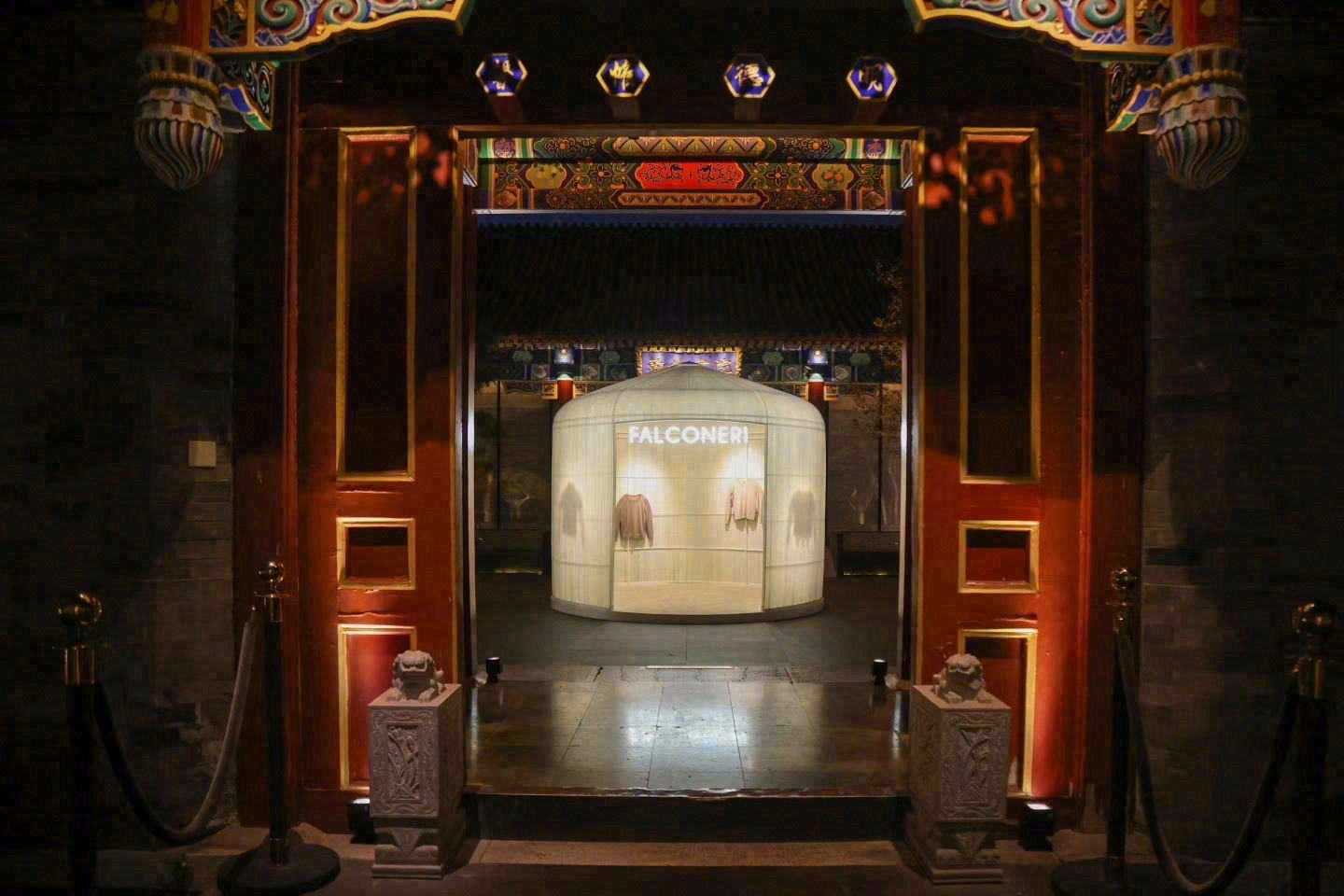
品牌:FALCONERI|项目:「绒于东方」四季羊绒系列(Four-Season Cashmere)主题展览|时间:2026.10.29 开展|地点:北京市 京艷·翰林书院
FALCONERI 是意大利羊绒品牌,2009 年加入 Oniverse 集团。它的产品线以羊绒针织为主,原料从蒙古牧场直采,不经过中间商——这句话写在品牌的官方介绍里,也是它做展览时想让人相信的部分。2026 年 10 月 29 日,品牌在北京京艷·翰林书院呈现「绒于东方」四季羊绒系列展;同年 12 月,上海港汇恒隆精品店将开业。一个意大利品牌把一次重要的材质叙事放在北京的一座四合院里,再把下一站交给上海,这条路线本身就说明了它对中国市场的判断。
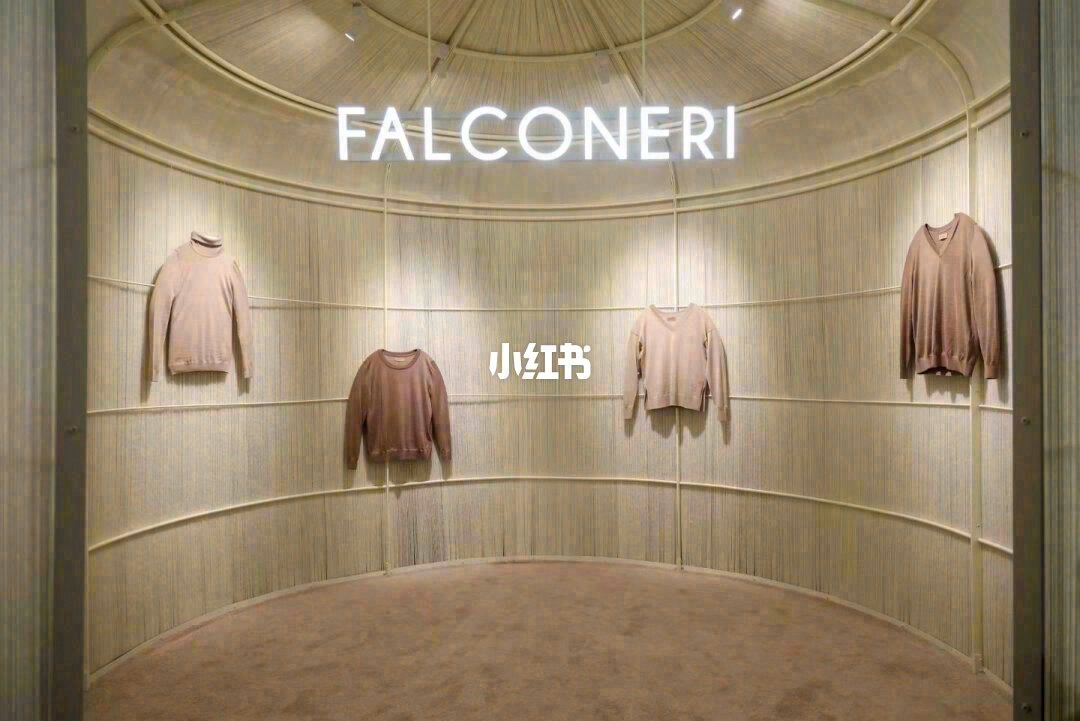

展览要处理的是一个跨语境的问题:羊绒是西方的面料语言,四合院是东方的空间语言,两者放在一起,稍不注意就会变成符号拼贴。「绒于东方」的解法是把叙事收窄到材质本身——三间主题展室依次为「本源」「匠艺」「成作」,对应羊绒从生长、雕琢到成型的三个段落。院子没有被填满,建筑的木构、墙面与自然光留出大量空白,羊绒的轻、软、暖放在这些安静的界面上,靠触感与光线说话。意式提供产品与工艺,东方提供观看的节奏,两者各让一步。
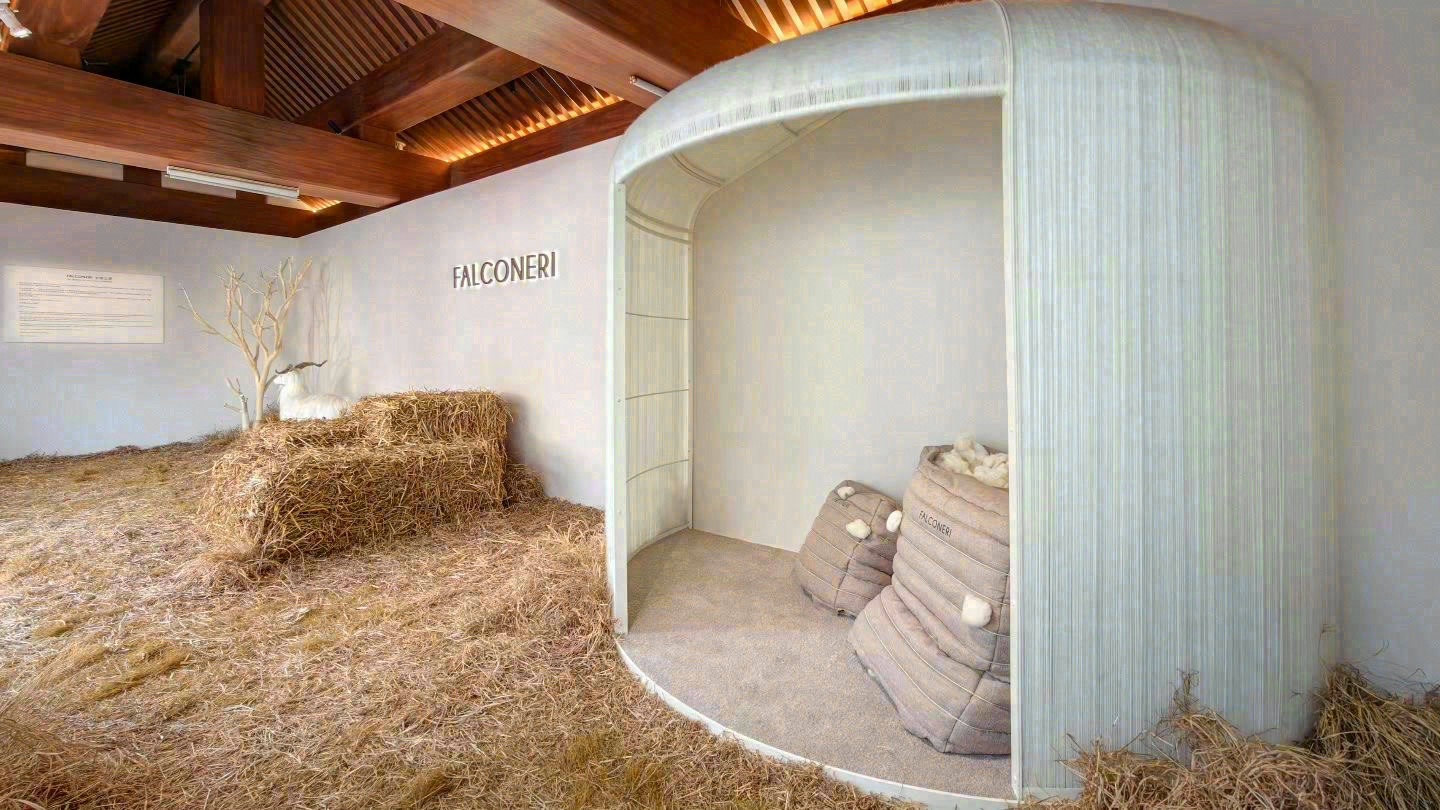
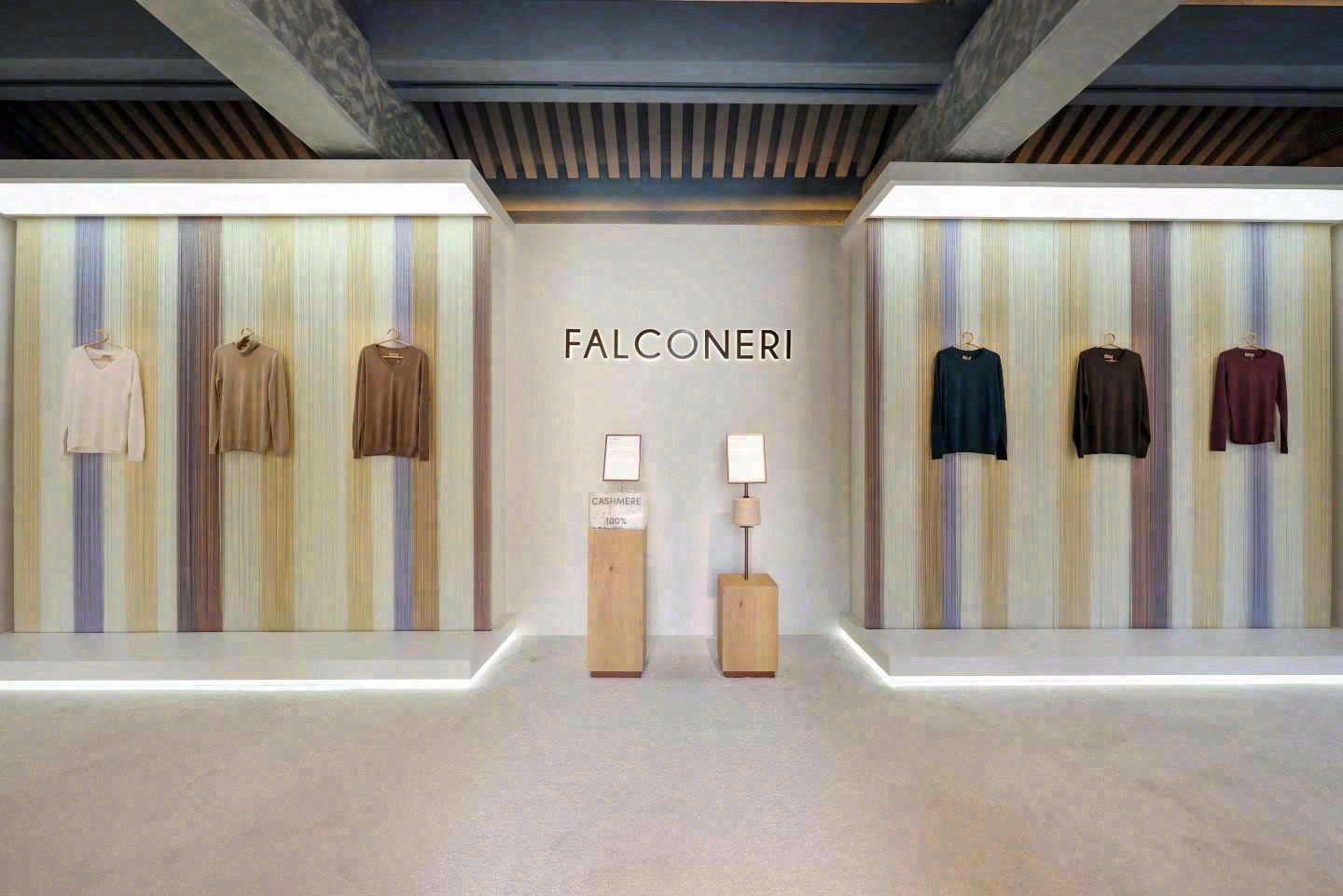
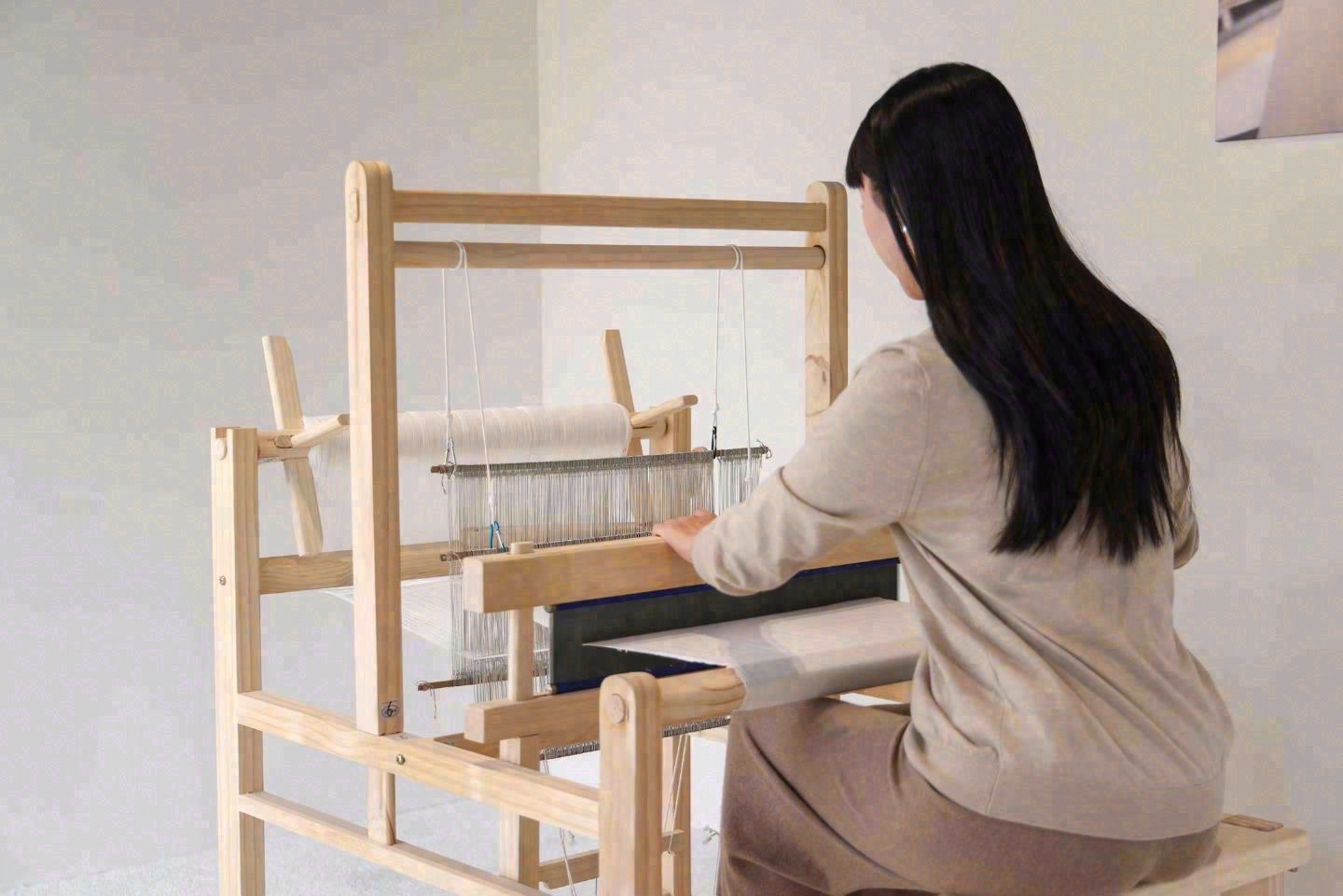
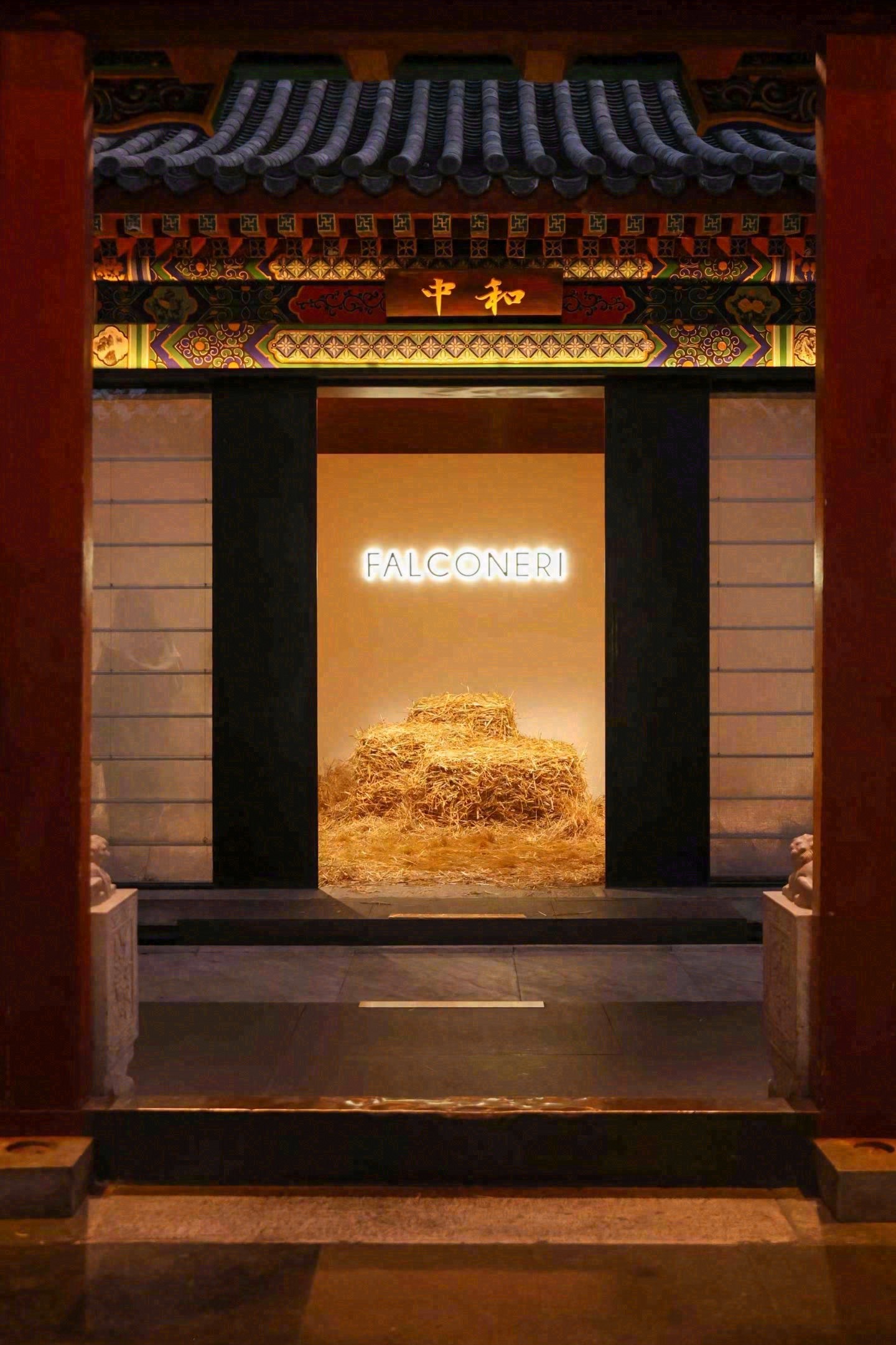
动线顺着院子展开,三间展室之间隔着露天,人要穿过庭院才能进入下一间。这段路不是过场:它把观看速度降下来,也让「四季」的时间感落在脚步上。展室里的陈列分成几种尺度:圆形展墙悬挂成衣,圆形展柜收纳衣物,白墙与木质展台承担说明;「本源」一段用干草堆与圆顶帐篷搭出牧场的意象,把原料的来处变成可以看见的场景。其中一间放了一台木质织机,有人坐在机前操作,纱线一根根过综,观众可以停下来看完一个来回——机器把「匠艺」从形容词变成动作。
展览在 10 月 29 日开展。对 FALCONERI 来说,这场展览要留下的不是开展当天的热闹,而是「懂羊绒」这三个字:在一个羊绒供给充足、价格带拉得很开的市场里,把产地、工艺、成衣三件事讲清楚,比讲风格更有用。北京的四合院提供了画面,上海的精品店承接了生意,一场展览因此有了两个落点——一个负责建立信任,一个负责把信任变成可以走进去的门店。

FALCONERI is an Italian cashmere house that joined the Oniverse group in 2009. Its range is built around knitwear, and its raw material is sourced directly from pastures in Mongolia without intermediaries — a claim the brand makes in its own corporate literature, and one that any exhibition it stages has to make believable. On 29 October 2026 the label opened "Four-Season Cashmere", a themed exhibition at Jingyan Hanlin Academy, a traditional courtyard compound in Beijing. A boutique at Shanghai's Grand Gateway 66 is scheduled for December 2026. The route says as much as the exhibition does: the material story is told in the capital, and the retail payoff is handed to Shanghai. The venue is also unusual for a knitwear label. Material stories are usually told in showrooms or hotel suites; a courtyard forces a different kind of attention, because the architecture cannot be ignored and the product has to hold its own against it.
The show has to solve a cross-context problem. Cashmere is a Western material language; a siheyuan is an Eastern spatial one. Put them together carelessly and the result is a collage of symbols. "Four-Season Cashmere" avoids that by narrowing its narrative to the material itself. Three rooms — "Origin", "Craft" and "Finished Work" — follow the fibre from growth to shaping to garment. The courtyard is not filled. Timber structure, walls and daylight are left exposed, and the softness of cashmere is placed against those quiet surfaces rather than against decoration. Italy supplies the product and the technique; the courtyard supplies the pace at which it is viewed. Each side gives something up. Four seasons is a product claim as much as a title: the collection is designed to be worn through the year, in layers, rather than stored between November and March. A courtyard, which changes with weather and time of day, is a fitting place to make that point slowly.
The route follows the compound. The three rooms are separated by open air, so a visitor crosses the courtyard to reach the next one. That walk is not filler: it slows the viewing down and gives the idea of four seasons a physical rhythm.
Display is handled at several scales. A circular wall carries finished garments; a round cabinet holds clothing; white walls and timber plinths carry the explanatory layer. The "Origin" section builds a pasture out of hay bales and a domed tent, turning the source of the fibre into a scene rather than a caption. In one of the rooms a wooden loom is operated by hand, the warp threads passing through the heddles one by one, and visitors can stand and watch a full pass. The machine converts "craft" from an adjective into a movement.
Daylight does much of the work. Light enters from the courtyard and moves across the rooms through the day, so the same garment reads differently in the morning and in the afternoon. The exhibition does not fight that with spotlights. It lets the material behave the way it would in a room.
The exhibition opened on 29 October. What FALCONERI needs from it is not a single day of attention but a reputation for knowing cashmere. In a market where supply is abundant and price bands are wide, explaining origin, craft and finished garment is more useful than explaining style. Beijing provides the setting; Shanghai provides the store. The show therefore has two anchors — one builds trust, the other turns that trust into a door a customer can walk through. The December opening also gives the exhibition a second life as a reference point: by the time the boutique arrives, the material story has already been told in a setting that photographs well and travels easily.
-end-
图片及内容来自网络及品牌公开信息,出处见网络
文字来自 AI 编辑完成,AI信息自我辨识
 x

